
Understanding Virginia sales tax on food can save you real money at the grocery store and help you budget more accurately. Unlike many states that treat food as a regular taxable item, Virginia has a unique approach that distinguishes between different types of food purchases—and knowing the difference matters for your wallet.
Table of Contents
Food Tax Basics in Virginia
Virginia’s approach to food taxation is refreshingly straightforward compared to some states. The state recognizes that groceries are essential to daily life, so it treats unprepared, uncooked food items differently than prepared meals. This distinction is the foundation of understanding Virginia sales tax on food.
Here’s the core principle: most unprepared foods you buy at a grocery store are exempt from Virginia’s sales tax. This means when you’re buying raw ingredients to cook at home—vegetables, meat, dairy, grains, and most other staples—you’re not paying sales tax. However, the moment food becomes prepared or ready-to-eat, the tax rules change dramatically.
The state’s reasoning is sound: they want to keep the cost of basic nutrition low for all residents. This policy has been in place for years and remains a consumer-friendly aspect of Virginia’s tax code that shoppers should absolutely take advantage of.
Which Grocery Items Are Exempt
Let’s get specific about what you can buy tax-free at Virginia grocery stores. The exemption covers most foods you’d find in a standard supermarket’s main aisles:
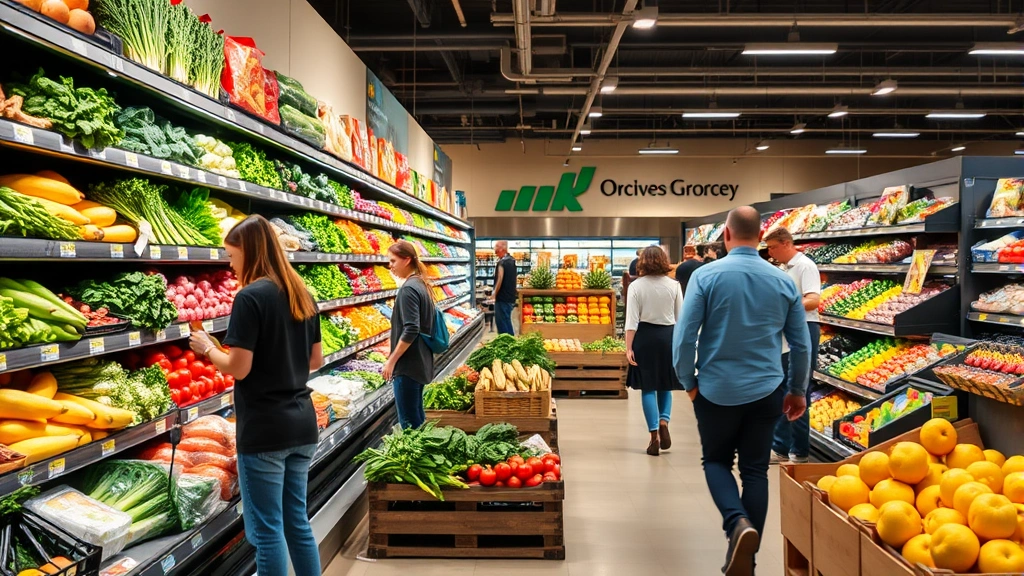
Produce: All fresh fruits and vegetables are exempt—apples, broccoli, potatoes, lettuce, berries, you name it. Frozen vegetables without added sauces or seasonings are also tax-free. Canned vegetables without added sugars or sauces typically qualify too.
Meat, Poultry & Seafood: Raw chicken breasts, ground beef, pork chops, fresh fish, and other uncooked proteins are all exempt. Pre-packaged deli meat for sandwiches is also tax-free, but this is where it gets tricky—if that deli meat is part of a prepared sandwich, it becomes taxable.
Dairy & Eggs: Milk, cheese, yogurt, butter, and eggs are exempt. This includes most dairy products you’d use for cooking or eating at home.
Grains & Staples: Bread, pasta, rice, flour, cereal, and beans are all tax-free. These foundational items remain exempt whether they’re organic or conventional.
Beverages: Milk and milk-based drinks are exempt. However, sodas, juices, and other non-milk beverages are taxable—this is an important distinction many shoppers miss.
The key principle: if it’s an unprepared food item intended for you to cook or prepare at home, it’s almost certainly exempt from Virginia sales tax.
What Food Purchases Get Taxed
Now for the flip side. Virginia does tax certain food purchases, and understanding these rules prevents surprises at checkout. The general rule is that prepared, ready-to-eat, or restaurant-style foods are taxable.
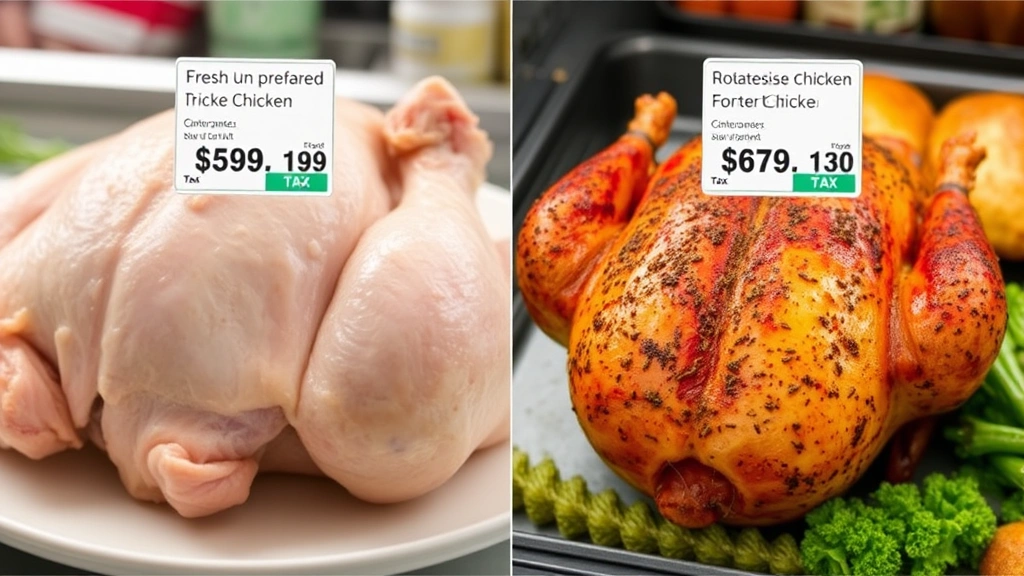
Ready-to-Eat Items: Prepared foods from grocery store delis—rotisserie chicken, pre-made salads, hot pizza, fried chicken—all face Virginia’s sales tax. The moment a grocery store employee prepares your food, it becomes taxable.
Restaurant & Takeout Meals: Any food purchased at a restaurant, whether you eat in or take out, is taxable. This includes fast food, casual dining, fine dining—all subject to tax.
Snack Foods & Candy: Here’s where many people get caught off guard. Candy and certain snack foods are classified as taxable. The Virginia Department of Taxation considers candy as a non-essential food item. Similarly, snack cakes, chips, and other processed snacks can be taxable depending on their specific classification.
Beverages (Non-Milk): Soda, coffee, tea, energy drinks, and sports drinks are all taxable. Even if you buy them from a grocery store rather than a café, they’re subject to sales tax.
Hot Foods: If food is heated or kept warm for sale, it’s taxable. This includes hot deli items, rotisserie meats, and foods in warming cases.
Alcohol & Tobacco: While not technically food, alcoholic beverages and tobacco products have their own tax structures and are always taxable (often at higher rates).
Prepared Food & Restaurant Rules
The prepared food category deserves special attention because this is where most consumers encounter Virginia sales tax on food charges. Virginia taxes all prepared foods—meaning foods that have been cooked, heated, or combined with other ingredients by someone other than the consumer.
Think of it this way: the tax applies to the service of food preparation, not the raw ingredients themselves. When you pay someone to prepare your meal, Virginia taxes that transaction.
Grocery Store Delis: This is the gray area that confuses many shoppers. A grocery store deli is treated like a restaurant for tax purposes. If the deli prepares your food—slicing meat, making a sandwich, heating up a rotisserie chicken—it’s taxable. However, if you buy raw ingredients from the same store to prepare at home, those are tax-free.
Restaurants & Fast Food: All restaurant meals are taxed, period. Whether it’s a $3 burger or a $300 steak dinner, Virginia’s sales tax applies. Takeout orders are taxed the same as dine-in meals.
Catering & Events: Catered food for parties, weddings, or corporate events is taxable. Even if you’re buying in bulk, the prepared nature of the food means tax applies.
Delivery Services: Food delivery apps and services don’t change the tax status of prepared foods. If the food is prepared, it’s taxed whether you pick it up or have it delivered.
One pro tip: if you’re buying ingredients at a grocery store to cook yourself, you save tax. If you’re buying the prepared version of that same meal, you pay tax. This is why buying raw chicken and cooking it costs less than buying rotisserie chicken from the deli—and it’s not just the preparation labor; it’s the tax difference.
Virginia’s Sales Tax Rate
Virginia’s statewide sales tax rate is 4.3%, but this is just the beginning. Many localities add their own sales tax on top of the state rate, which can significantly increase the total tax you pay on prepared foods.
The state rate of 4.3% applies uniformly across Virginia, but when you add local taxes, your actual tax rate can range from 4.3% to over 6% depending on where you shop. This variation matters more for prepared foods since groceries are mostly exempt.
How It Works: When you buy a prepared meal, the total sales tax is calculated by combining the state rate with applicable local rates. A $10 prepared food item in one county might cost 43 cents in tax, while the same item in another county could cost 60 cents due to local additions.
This is why understanding your specific locality’s tax rate matters. If you live near county lines, you might save money by shopping in a lower-tax jurisdiction for prepared foods.
For exempt grocery items, this variation doesn’t matter—you pay zero tax regardless of the local rate. This is another reason why buying unprepared foods is financially advantageous.
Local Tax Variations by County
Virginia gives localities significant flexibility in setting their own sales tax rates, creating a patchwork of different rates across the state. Understanding your specific area’s rate helps you anticipate costs and plan your shopping strategically.
Northern Virginia (High Tax Areas): Counties like Arlington and Alexandria have some of the highest combined rates in Virginia, often exceeding 6%. If you live in this region and buy prepared foods frequently, the tax adds up quickly.
Central Virginia: The Richmond area and surrounding counties typically have moderate rates, usually in the 5-5.5% range.
Southwest Virginia: Many southwestern counties have lower combined rates, sometimes closer to 4.3-4.5%.
The Virginia Department of Taxation website provides a detailed breakdown of every county and city’s local rate. If you’re buying prepared foods regularly, knowing your specific rate helps you calculate true costs accurately.
For grocery shopping, these variations matter less since most items are tax-free. But if you’re budgeting for restaurant meals or deli purchases, your location’s specific tax rate is worth knowing.
Smart Shopping Strategies
Now that you understand the rules around Virginia sales tax on food, here are practical strategies to minimize your tax burden:
Buy Unprepared When Possible: The most obvious strategy is buying raw ingredients instead of prepared foods. Not only do you avoid sales tax, but you also typically save money on the food itself. Cooking at home is almost always cheaper than buying prepared meals.
Understand Deli Boundaries: At grocery store delis, ask whether items are pre-prepared or will be prepared for you. Sometimes stores have pre-made items that might be taxed differently than items prepared to order. Clarifying this at checkout prevents surprises.
Plan Meals Around Tax-Free Items: Structure your grocery list around tax-exempt items. Focus on produce, grains, dairy, and raw proteins. These form the foundation of affordable, healthy eating.
Watch Beverage Purchases: Replace taxable sodas and juices with tax-free milk or water. Over a year, this small change saves surprising amounts in taxes.
Avoid Impulse Snacks: Candy and snack foods are taxable and typically overpriced anyway. Buying bulk nuts, dried fruit, or popcorn (unprepared) is cheaper and tax-free.
Time Restaurant Visits: If you live near county lines with different tax rates, occasionally eating out in lower-tax areas makes a small difference over time.
Track Deductible Meals: If you’re self-employed or have business meals, keep receipts. Some meal expenses may be tax-deductible for your business taxes, offsetting the sales tax you paid. This is different from sales tax savings but worth noting.
Special Circumstances & Exceptions
Virginia’s food tax rules have some nuances worth understanding:
WIC & SNAP Benefits: Purchases made with SNAP (food stamps) and WIC benefits are not subject to sales tax, regardless of the item. The tax exemption is built into these benefit programs. This is one reason these programs are so valuable for eligible families.
Senior & Disabled Exemptions: Virginia doesn’t have a blanket sales tax exemption for seniors or disabled individuals on food purchases. However, some localities offer property tax relief, which indirectly helps. Check your specific county’s programs.
Nonprofit Organizations: Nonprofits serving food (food banks, charities, schools) may have specific tax exemptions for food purchases. If you work for or donate to such organizations, ask about bulk food purchase exemptions.
School Cafeterias: Student meals purchased through school cafeterias are typically not subject to sales tax, though this can vary by school district. The rationale is that school meals are educational services, not commercial transactions.
Food Trucks & Mobile Vendors: Food trucks operate under the same rules as restaurants—all prepared food is taxable. The mobile nature doesn’t change the tax status.
Farmers Markets: Unprepared foods from farmers markets are not subject to sales tax, just like grocery store produce. However, prepared foods (like baked goods or prepared meals) sold at farmers markets are taxable.

Frequently Asked Questions
Is all food tax-free in Virginia?
No. Only unprepared, uncooked foods intended for home preparation are tax-free. Prepared, ready-to-eat foods, restaurant meals, and certain snack items are taxable. The key distinction is whether someone else has prepared the food for you.
Are frozen vegetables taxed in Virginia?
Frozen vegetables without added sauces or seasonings are typically tax-free, just like fresh vegetables. However, frozen prepared meals or vegetables with added ingredients are taxable. Check the label—if it’s just frozen vegetables, you’re good. If it’s a prepared dish, expect tax.
What about grocery store prepared foods like rotisserie chicken?
Rotisserie chicken and other deli-prepared foods are taxed because they’ve been prepared by store employees. The tax applies to the preparation service. This is true even though you’re buying from a grocery store rather than a restaurant.
Do I pay sales tax on coffee from a grocery store?
If it’s hot coffee prepared for you at a grocery store café, yes—it’s taxable as a prepared beverage. If you’re buying cold, pre-packaged coffee drinks, they’re also taxable. However, buying ground coffee or beans to make at home is tax-free.
Are vitamins and supplements taxed?
Vitamins and dietary supplements are generally not taxed in Virginia when they’re properly classified as dietary supplements. However, some products marketed as both food and supplement can have ambiguous tax status. When in doubt, ask the retailer.
What’s the difference between candy and regular food?
Virginia taxes candy as a non-essential snack item. The distinction is somewhat subjective—items like cookies, cakes, and chocolate are typically considered candy and are taxed. Items like cereal or granola bars exist in a gray area. If the primary purpose is nutrition (like oatmeal), it’s usually tax-free. If it’s primarily a treat (like a candy bar), it’s taxed.
Can I deduct grocery sales tax on my personal taxes?
Since most groceries aren’t taxed, this isn’t usually relevant. However, if you’re self-employed and buy food for business purposes (catering, meal prep service), those prepared food taxes might be business expenses. Consult a tax professional about deducting business meal expenses.
Does the tax rate change if I buy in bulk?
No. The tax rate is the same whether you buy one item or one hundred. However, buying in bulk usually means better per-unit prices, which can offset tax concerns on prepared items. For tax-free groceries, bulk buying saves you even more since there’s no tax at all.
Key Takeaways
Understanding Virginia sales tax on food is straightforward once you grasp the core principle: unprepared groceries are tax-free, prepared foods are taxed. This distinction creates real savings opportunities for savvy shoppers.
The practical impact is significant. A family buying primarily unprepared foods avoids sales tax entirely on the majority of their food budget. Those same families buying prepared deli items, restaurant meals, or snacks pay 4.3% to 6%+ in tax on those purchases. Over a year, this difference adds up to hundreds of dollars.
Your best strategy is straightforward: prioritize cooking at home with tax-free ingredients, understand your locality’s specific tax rate for prepared foods, and use resources like the Virginia Department of Taxation website for questions about specific items. If you’re unsure whether something is taxed, ask the cashier—they deal with these questions daily and can usually clarify immediately.
For more information on Virginia’s tax structure, you can also explore how the state handles other taxes. For comparison, some states handle sales tax differently—for instance, you might want to understand which states have no property tax to see how Virginia’s overall tax burden compares. If you’re comparing across regions, resources like sales tax rates in Seattle or Charlotte’s sales tax show how Virginia’s approach differs from other areas. Additionally, if you’re a Virginia resident concerned about your overall tax situation, understanding Virginia estate tax helps you plan long-term financial strategy.
The bottom line: Virginia’s tax-free grocery policy is genuinely consumer-friendly. Use it strategically, and you’ll see real savings on your food budget.


