

The Virginia state sales tax rate is 5.3%, making it one of the lower sales tax rates in the country. But here’s what most people miss: that’s just the state portion. When you add local taxes on top, your actual sales tax burden can range from 5.3% to 7.6% depending on where you shop in Virginia. Understanding these rates matters whether you’re a resident budgeting for purchases, a business owner calculating costs, or someone relocating to the state.
Table of Contents
State Rate Breakdown
Virginia’s base sales tax rate of 5.3% has been in place since 2013. This is administered by the Virginia Department of Taxation and applies uniformly across the state. Unlike some states that have multiple tax brackets or graduated rates, Virginia keeps it straightforward at the state level. The 5.3% rate applies to most retail purchases, including clothing, electronics, furniture, and general merchandise. This relatively low state rate is one reason Virginia attracts businesses and shoppers from neighboring states with higher rates.
Local Tax Additions
Here’s where things get complicated. Virginia allows localities (cities and counties) to impose their own sales tax on top of the state rate. These local rates typically range from 0% to 2.3%. So while the state takes 5.3%, your city or county might add another 0.5% to 2.3%. This is why a purchase in Arlington might have a different total tax rate than the same purchase in rural Southwest Virginia. Some localities choose not to impose a local sales tax at all, leaving residents with just the 5.3% state rate. Others maximize their local rate to fund schools, infrastructure, and services. Understanding your specific locality’s rate is crucial for accurate budgeting.
Combined Rates by County
The total Virginia sales tax rate varies significantly by location. Here are some key examples: Arlington County charges 5.3% (state only, no local addition), while Fairfax County adds 1.0% for a total of 6.3%. Alexandria implements a 1.0% local rate (6.3% total), and Loudoun County also adds 1.0% (6.3% total). Richmond adds 1.0% (6.3% total), while Charlottesville charges 1.0% locally (6.3% total). Some localities like Henrico County add 1.5% for a combined rate of 6.8%, and Virginia Beach adds 1.0% for a total of 6.3%. A few localities max out at 2.3%, bringing the combined rate to 7.6%. The variation reflects different local funding priorities and fiscal policies. If you’re making a major purchase, it’s worth checking your specific locality’s rate—the difference between 5.3% and 7.6% adds up quickly on big-ticket items.
What’s Taxable vs Exempt
Not everything you buy in Virginia is subject to sales tax. Understanding what’s taxable and what’s exempt can save you money and help you understand your receipts. Generally, tangible personal property is taxable—that’s your electronics, furniture, clothing, and most consumer goods. Services are typically not taxable in Virginia, which is why a haircut or accounting consultation doesn’t carry sales tax. Certain items have special treatment, and this is where things get nuanced. For instance, prescription medications are exempt from sales tax, but over-the-counter drugs and vitamins are taxable. This distinction catches many people off guard. Digital products like e-books, software downloads, and streaming services are generally not subject to Virginia sales tax, though this is an evolving area as states adjust to digital commerce. If you’re running a business, understanding these distinctions is essential for proper tax collection and remittance.

Grocery Items & Special Rules
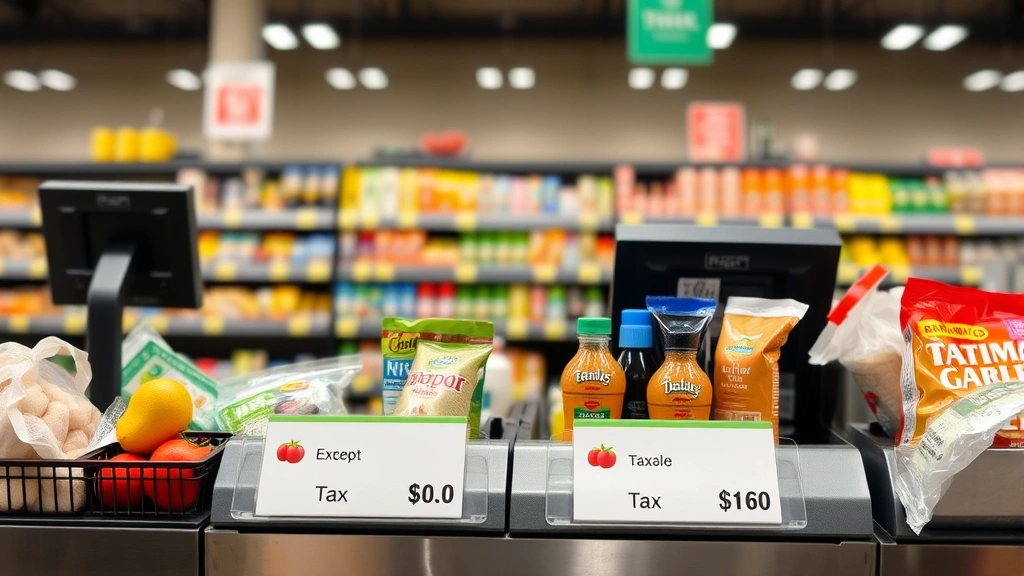
Virginia’s treatment of groceries is notably consumer-friendly. Most grocery items are exempt from sales tax, which is a significant advantage for residents. This includes bread, milk, vegetables, fruits, meat, and most prepared foods you’d find in a supermarket. However, there are exceptions that trip people up. Candy, soft drinks, and snacks are taxable. Hot prepared foods sold at delis or restaurants are taxable. Alcohol and tobacco are subject to special taxes beyond the standard sales tax rate. If you’re buying a rotisserie chicken from the grocery store deli, it’s likely taxable because it’s considered hot prepared food. But if you buy raw chicken breasts, they’re exempt. This distinction matters when budgeting for groceries. The grocery exemption is one reason why Virginia’s effective sales tax burden on average households is lower than the stated rates suggest. When you factor in that a significant portion of household spending goes to tax-exempt groceries, your actual tax paid is considerably less than 5.3% or 6.3% of total spending.
Motor Vehicle Sales Tax
Buying a car in Virginia involves a different sales tax calculation than regular purchases. The motor vehicle sales tax is 4.15% of the vehicle’s purchase price, not the standard 5.3% rate. This is actually lower than the general sales tax rate, providing some relief for one of the largest purchases most people make. However, you may also owe local property taxes on your vehicle. Virginia imposes an annual personal property tax on vehicles, which is separate from the sales tax. This tax varies by locality but typically ranges from 3.5% to 4.5% of the vehicle’s assessed value. So while you pay 4.15% sales tax upfront, you’ll face ongoing annual property taxes. If you’re relocating to Virginia Beach or another locality, factor in both the sales tax and the annual personal property tax when budgeting for a vehicle purchase. Some people are surprised to learn about the ongoing property tax obligation, so it’s worth understanding before you buy.

Business Implications
If you’re a business owner in Virginia, the state sales tax rate directly affects your operations and pricing strategy. You’re required to collect sales tax from customers on taxable purchases and remit it to the Virginia Department of Taxation. The rate you collect depends on your customer’s location within the state. If you have customers in multiple localities, you need to track and remit the correct rate for each. This is manageable with modern point-of-sale systems, but it requires attention. You may also be able to purchase items for business use without paying sales tax if you have a valid resale certificate. This applies to goods you’ll resell to customers. However, items you use in your business operations (office supplies, equipment) are generally taxable. Understanding the difference between purchases for resale and purchases for use is crucial for tax compliance. If you’re selling online to Virginia customers, you’re required to collect sales tax on those purchases, even if you don’t have a physical location in the state. This changed significantly after the Supreme Court’s decision in South Dakota v. Wayfair, which expanded sales tax obligations for remote sellers. Many business owners initially missed this requirement, leading to compliance issues later.
Online Sales & Compliance
Online sales tax compliance is a critical issue in 2024. Virginia requires online retailers to collect and remit sales tax on purchases made by Virginia residents, regardless of where the seller is located. This means if you’re buying from an out-of-state online retailer, they should be charging you Virginia sales tax at your locality’s rate. Most major retailers (Amazon, Walmart, Target) now comply with this requirement. However, smaller online sellers sometimes miss it, and some deliberately ignore it. As a consumer, you’re technically responsible for paying “use tax” on purchases where sales tax wasn’t collected, though enforcement is minimal. As a business, failing to collect and remit sales tax can result in significant penalties and interest. The Virginia Department of Taxation has been increasing enforcement efforts, particularly targeting marketplace sellers on platforms like eBay and Etsy. If you’re selling online, ensure your tax software is configured to collect the correct rate for each Virginia locality. The complexity here is real, which is why many online sellers use automated tax software like TaxJar or Avalara to handle the calculations and filings.
Frequently Asked Questions
Is Virginia’s sales tax rate higher than neighboring states?
Virginia’s 5.3% state rate is lower than North Carolina (4.75% state rate, though combined rates are often similar), and significantly lower than Maryland (6% state rate). However, when you add local taxes, Virginia’s combined rates can be competitive with or slightly higher than neighboring states depending on the specific locality. Arlington’s 5.3% combined rate is lower than most Maryland localities, but Fairfax County’s 6.3% is comparable to Maryland’s rates.
Do I pay sales tax on services in Virginia?
Most services are not subject to Virginia sales tax. Haircuts, dental work, accounting services, and consulting are generally exempt. However, some services bundled with products may be taxable. For example, installation services are often taxable. Always ask your service provider if sales tax applies to their specific service.
Can I get a sales tax exemption certificate?
Yes, if you’re a business purchasing items for resale or for use in manufacturing, you can apply for a resale certificate from the Virginia Department of Taxation. This allows you to purchase items without paying sales tax. You’ll need to provide this certificate to sellers and keep records of all tax-exempt purchases. Learn more about exemption processes by reviewing our guide on sales tax exemption forms for similar state requirements.
What about sales tax on vehicles?
Vehicles are subject to a 4.15% sales tax in Virginia, which is lower than the standard 5.3% rate. Additionally, you’ll owe annual personal property tax on your vehicle, which varies by locality. The personal property tax is separate from the sales tax and continues each year you own the vehicle.
Do I have to pay Virginia sales tax on out-of-state purchases?
If you purchase items from out-of-state retailers and they don’t collect Virginia sales tax, you’re technically responsible for paying use tax directly to Virginia. However, enforcement is minimal for individual consumers. Businesses have a higher compliance obligation and face penalties for not paying use tax on business purchases.
Are groceries really tax-exempt in Virginia?
Most groceries are exempt from sales tax, including fresh produce, meat, dairy, and bread. However, candy, soft drinks, prepared hot foods, and snacks are taxable. The exemption applies to items you’d typically buy for home consumption, not restaurant meals or convenience store prepared foods.
Conclusion
Understanding the Virginia state sales tax rate requires looking beyond the 5.3% state figure. Your actual tax burden depends on your locality’s additional rate, what you’re purchasing, and whether you’re buying in-person or online. For residents, this means the effective sales tax on groceries (often exempt) is lower than on discretionary purchases. For businesses, it means tracking multiple rates across localities and ensuring compliance with collection and remittance requirements. The good news is that Virginia’s base rate is relatively low compared to many states, and the grocery exemption provides meaningful relief for household budgets. The challenge is the complexity introduced by local variations and special rules for different product categories. If you’re relocating to Virginia, research your specific locality’s rate. If you’re running a business, invest in proper tax software to handle the calculations. And if you’re a consumer, understanding what’s taxable helps you budget more accurately and recognize when you’re being charged correctly. The Virginia Department of Taxation website provides detailed resources if you need more specific information about your locality or product category. Taking time to understand these rates now saves you money and headaches down the road.


