

Vermont’s VT sales tax system is one of the most straightforward in New England, but that doesn’t mean there aren’t important details you need to know. Whether you’re a business owner collecting sales tax, a consumer wondering what you’ll pay at checkout, or someone relocating to the Green Mountain State, understanding Vermont’s tax structure can save you money and keep you compliant with state law.
Table of Contents
Current VT Sales Tax Rates
Vermont applies a statewide sales tax of 6% on most retail purchases. Unlike many states, Vermont does not allow municipalities to add local sales taxes on top of this rate—you won’t see the 7.5% or 8% figures common in other states. This flat 6% applies consistently whether you’re shopping in Montpelier, Burlington, or a small town in the Northeast Kingdom.
This simplicity is one reason Vermont’s VT sales tax system is easier to navigate than neighboring states like Massachusetts or New Hampshire. However, simplicity doesn’t mean uniformity across all products. Different categories of goods and services face different tax treatment, which we’ll explore in detail.
How Vermont Sales Tax Works
Vermont’s sales tax is a consumption tax collected at the point of sale. When you buy a taxable item, the retailer calculates 6% of the purchase price and adds it to your bill. The retailer then remits this collected tax to the Vermont Department of Taxes monthly or quarterly, depending on their sales volume.
For business owners, understanding when and how to collect VT sales tax is critical. You must register for a sales tax permit if you’re selling taxable goods or services in Vermont, even if you’re located outside the state but ship products to Vermont customers. This is where many online sellers get tripped up—the responsibility to collect sales tax extends beyond physical storefronts.
The tax applies to the gross receipts of sales, which means you calculate it on the full price before any discounts are applied (with some exceptions for manufacturer coupons). If you’re operating a business in Vermont, you’ll need to understand these nuances to stay compliant.
Major Sales Tax Exemptions
Vermont’s sales tax exemptions are where things get interesting. The state recognizes that certain purchases shouldn’t be taxed, and these exemptions significantly reduce the tax burden on consumers and businesses.
Prescription medications and medical devices are completely exempt from VT sales tax. This includes insulin, inhalers, wheelchairs, hearing aids, and other medically necessary items. Non-prescription health items like vitamins and over-the-counter pain relievers, however, are taxable.
Agricultural exemptions are substantial in Vermont. Farmers can purchase seeds, fertilizers, animal feed, and farm equipment without paying sales tax. This exemption recognizes Vermont’s agricultural heritage and helps keep farming operations economically viable. If you’re selling agricultural products to farmers, you’ll need to collect resale certificates to avoid collecting tax on these wholesale transactions.
Manufacturing equipment and machinery used directly in the production process are exempt. This applies to equipment used in manufacturing, not office equipment or tools used for maintenance.
Groceries vs. Prepared Foods
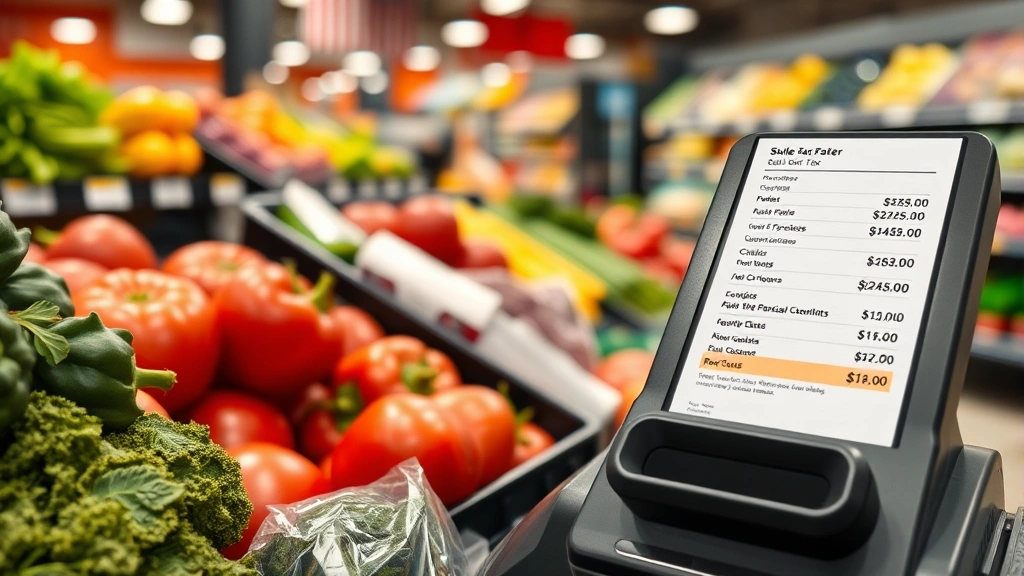
This is one of the most common confusion points with Vermont’s VT sales tax system. Unprepared groceries—items you’d typically prepare at home—are completely exempt from sales tax. This includes:
- Fresh produce (vegetables, fruits)
- Meat and seafood (unprepared)
- Dairy products
- Bread and bakery items (unprepared)
- Canned and frozen foods
- Grains and pasta
However, prepared foods are taxed at the full 6%. This includes:
- Restaurant meals
- Hot deli items
- Bakery items prepared on-site and sold as ready-to-eat
- Pre-made sandwiches and salads
- Beverages (both hot and cold)
The line between “prepared” and “unprepared” can be tricky. A loaf of bread from the bakery section is exempt; a slice of bread in a sandwich at the deli counter is taxable. Rotisserie chicken is prepared food (taxable); raw chicken breasts are not (exempt).
Clothing and Footwear Rules
Vermont treats clothing and footwear favorably compared to many states. Most clothing items and footwear are exempt from sales tax, which is a significant benefit for consumers. This includes:
- Shirts, pants, and dresses
- Shoes and boots
- Socks and hosiery
- Underwear and bras
- Jackets and coats
- Hats and scarves
However, there are exceptions. Items considered sports or protective gear may be taxable depending on their primary use. For example, a baseball glove used for playing is taxable (it’s sports equipment), but a winter coat is not. Ski clothing is generally exempt, but specialized ski racing suits might be classified differently.
Work clothing with embroidered logos or specialized safety gear falls into a gray area. When in doubt, ask the retailer or contact the Vermont Department of Taxes directly.
Vehicle and Motor Sales Tax
Vehicle purchases in Vermont are subject to the 6% sales tax, though the calculation method differs from regular purchases. Unlike some states where you can reference a blue book value, Vermont taxes the actual sale price of the vehicle. If you’re buying a used car for $15,000, you’ll pay $900 in sales tax.
This is different from how sales tax for a car in Illinois or Ohio sales tax on cars operates in neighboring regions. Trade-in allowances reduce the taxable amount, so if you trade in a vehicle worth $5,000 toward a $15,000 purchase, you only pay tax on $10,000.
Motorcycles, ATVs, and other motor vehicles follow the same 6% rate. If you’re relocating to Vermont and bringing a vehicle, you’ll need to register it and pay sales tax on the purchase price (or provide proof of previous tax payment if purchased in another state).
Business Compliance Requirements
If you’re running a business in Vermont, VT sales tax compliance is non-negotiable. You must register with the Vermont Department of Taxes before collecting any sales tax. The registration process is straightforward and can be done online.
Once registered, you’ll receive a sales tax permit and be assigned a filing frequency—typically monthly for higher-volume retailers and quarterly for smaller businesses. You’ll need to:
- Keep detailed records of all taxable and exempt sales
- Track resale certificates from wholesale customers
- File returns accurately and on time
- Remit collected taxes to the state
- Maintain documentation for at least three years
Penalties for non-compliance can be steep. Late payments incur interest charges, and underreporting sales tax can result in audits and significant penalties. Many business owners find it worthwhile to use accounting software or hire a bookkeeper to manage sales tax compliance.
Special Situations and Edge Cases
Vermont’s VT sales tax system has several nuanced situations worth understanding. Drop-shipping businesses must collect sales tax even though they don’t physically handle the product—the responsibility falls on whoever makes the sale to the final consumer.
Digital products and services are generally exempt from Vermont sales tax. This includes software downloads, digital books, streaming services, and online courses. However, tangible goods (like a physical book or DVD) are taxable.
Nonprofit organizations can obtain sales tax exemption certificates, allowing them to purchase items without paying sales tax when those items are used directly in their charitable mission. A food bank purchasing groceries for distribution would be exempt; a nonprofit purchasing office supplies might not be, depending on the specific use.

Out-of-state sales to Vermont residents trigger a “use tax” obligation. If you purchase something online from an out-of-state retailer that didn’t collect Vermont sales tax, you’re technically responsible for paying use tax on that purchase. In practice, enforcement is minimal for individual consumers, but businesses should track these purchases.
For comparison, San Mateo sales tax and Salt Lake City sales tax structures differ significantly from Vermont’s approach, showing how much variation exists across the country.
Frequently Asked Questions
Does Vermont have sales tax on groceries?
No, unprepared groceries are exempt from Vermont’s 6% sales tax. However, prepared foods, restaurant meals, and beverages are fully taxable. The exemption applies to items you’d typically cook or prepare at home, not items ready to eat.
Are there any local sales taxes in Vermont?
No. Vermont does not allow municipalities to impose local sales taxes. The statewide rate of 6% applies uniformly across all towns and cities. This is one of Vermont’s advantages compared to states with complex local tax variations.
Is clothing exempt from Vermont sales tax?
Yes, most clothing and footwear items are exempt from VT sales tax. This includes everyday wear, shoes, socks, and accessories. Specialized sports equipment or protective gear may have different treatment, so verify with the retailer if you’re unsure.
How do I register for a Vermont sales tax permit?
You can register online through the Vermont Department of Taxes website. You’ll need your Social Security Number or Federal Employer Identification Number, business address, and basic information about your business. Registration is free, and the process typically takes a few days to a week.
What’s the difference between sales tax and use tax in Vermont?
Sales tax is collected when you purchase something within Vermont. Use tax is a backup tax you owe on purchases made outside Vermont but used in Vermont when sales tax wasn’t collected. Most individuals don’t actively report use tax, but businesses should track these purchases for compliance.
Can I deduct sales tax I paid on business purchases?
This depends on whether you paid sales tax or can claim a resale exemption. If you’re buying inventory to resell, you shouldn’t pay sales tax (you’ll provide a resale certificate). If you’re buying supplies or equipment for business use, you pay sales tax, but that cost becomes part of your business expense, which may be deductible on your taxes.
Are there any upcoming changes to Vermont’s sales tax rates?
As of 2024, there are no announced changes to the 6% rate. However, tax laws can change, so check the Vermont Department of Taxes website or consult a tax professional if you need the most current information for planning purposes.
Do I need to collect sales tax on online sales to Vermont customers?
Yes, if you have “economic nexus” in Vermont—meaning you have a certain level of sales to Vermont customers—you must collect and remit sales tax, even if you’re located outside the state. The threshold is typically $100,000 in sales or 200 transactions in the previous calendar year.
Key Takeaways
Vermont’s VT sales tax system is relatively straightforward at 6% statewide, but understanding exemptions and special rules is crucial for both consumers and business owners. The exemption for unprepared groceries and clothing makes Vermont consumer-friendly, while the consistent statewide rate eliminates confusion about local variations.
If you’re a business owner, registering for a sales tax permit and maintaining accurate records protects you from penalties and audits. If you’re a consumer, knowing which items are exempt helps you understand what you’ll actually pay at checkout. And if you’re relocating to Vermont or selling to Vermont customers, taking time to understand these rules ensures you’re compliant and informed.
For more detailed information, visit the Vermont Department of Taxes website. If you have specific questions about your situation, consider consulting with a tax professional or the IRS for federal implications. You can also reference resources like Investopedia for broader tax education.


