

If you’re buying, selling, or managing property in Wake County, North Carolina, understanding Wake County real estate tax records is essential to making informed financial decisions. These public records reveal property values, tax assessments, ownership history, and payment details that directly impact your bottom line. Whether you’re a homeowner curious about your assessment, an investor evaluating a potential purchase, or a real estate professional serving clients, knowing how to access and interpret these records can save you thousands of dollars and prevent costly mistakes.
Table of Contents
What Are Tax Records?
Wake County real estate tax records are public documents maintained by the Wake County Tax Assessor’s office that contain detailed information about every property in the county. These records include the assessed value of the property, the tax amount owed, ownership information, property characteristics (square footage, lot size, number of bedrooms), and payment history. Think of them as the official financial fingerprint of every piece of real estate in Wake County.
These aren’t secret documents—they’re intentionally made public so that property owners can verify accuracy and the broader community can access market data. The records serve multiple purposes: they help the county government fund schools and services, they provide transparency in real estate transactions, and they give you concrete evidence of what your property is worth according to official assessment.
The Wake County Tax Assessor’s office updates these records annually, typically reflecting changes in property value, improvements made to the property, and adjustments based on market conditions. Understanding what information is contained in your records is the first step toward managing your property taxes effectively.
Accessing Records Online
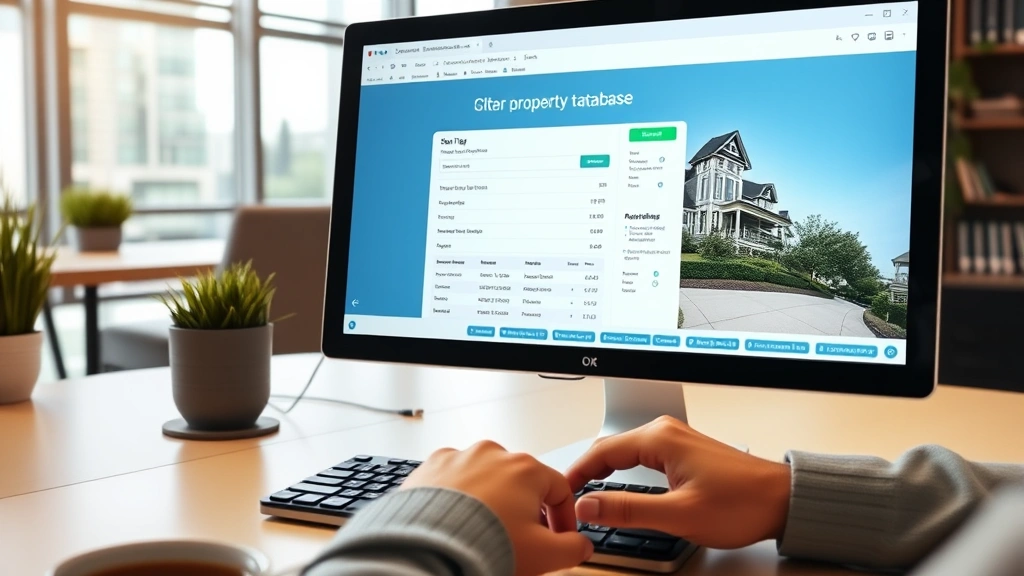
The good news: you can access Wake County real estate tax records without leaving your home. The Wake County Tax Assessor’s office maintains a searchable online database that’s available 24/7. Here’s how to find your property information:
Step-by-step access: Visit the Wake County Tax Assessor’s website and locate the property search tool. You’ll need either your address or parcel number (a unique identifier for your property). Enter the information and click search. Within seconds, you’ll see your property’s assessed value, tax amount, and basic property details.
You can also visit the Wake County Tax Collector’s office in person at 414 Fayetteville Street in Raleigh. Staff members can help you locate specific records and answer questions about your assessment. Many people find that a quick phone call to the assessor’s office (919-856-6300) can resolve simple questions about their property’s valuation.
For investors or real estate professionals who need to research multiple properties, the online database allows batch searches, making it efficient to evaluate neighborhoods or compare similar properties. Some third-party websites also aggregate this public data, though the official Wake County source is always your most reliable option.
Understanding Property Assessments
The assessed value shown in your Wake County real estate tax records is what the Tax Assessor’s office believes your property is worth for tax purposes. This is often different from your property’s market value (what you could sell it for) or your mortgage lender’s appraisal. The assessed value is typically 95% of the property’s market value, though this varies based on when the property was last reassessed.
Wake County conducts revaluations periodically to ensure fairness across all properties. During a revaluation year, your property may be reassessed based on recent sales of comparable properties, improvements you’ve made, or changes in the neighborhood. This is why you might see your assessed value jump significantly in certain years—it’s not a mistake; it’s the assessor catching up to market reality.
The assessment includes factors like:
- Square footage of the home
- Lot size and location
- Age and condition of the structure
- Number of bedrooms and bathrooms
- Presence of a garage, deck, or pool
- Recent improvements or renovations
- Comparable sales in the area
Understanding these factors is crucial because they directly determine your tax bill. If you believe your property has been assessed incorrectly—perhaps the assessor’s records show four bedrooms when you only have three, or the square footage is significantly off—you have the right to challenge the assessment.
How Tax Is Calculated
Once your property’s assessed value is determined, calculating your actual tax bill is straightforward math. Wake County applies a tax rate (expressed as a percentage or per $100 of assessed value) to your assessed value. For example, if your home is assessed at $300,000 and the tax rate is $0.70 per $100 of value, your annual tax would be $2,100.
However, the real calculation is more nuanced because Wake County is a collection of different tax jurisdictions. Your tax bill includes:
- County tax: Funds general county services
- School tax: Funds Wake County Public Schools (often the largest portion)
- Municipal tax: If you live within a city (Raleigh, Durham, Chapel Hill, etc.), you pay city taxes too
- Special district taxes: Some areas have additional taxes for fire departments, water districts, or other services
This is why two properties with the same assessed value might have different tax bills—their location determines which jurisdictions’ taxes apply. A home in Raleigh proper pays different rates than an identical home in unincorporated Wake County.
Your Wake County real estate tax records will break down exactly which taxes you’re paying and to which entities. This transparency helps you understand where your tax dollars go and can be useful if you’re considering moving to a different area within the county.
Challenging Your Assessment
If you believe your property has been assessed unfairly, you don’t have to accept it. North Carolina law gives property owners the right to challenge their assessment through a formal process. This is one of the most valuable aspects of understanding your Wake County real estate tax records—because errors do happen, and they can cost you real money.

Common reasons to challenge: The assessor’s records contain factual errors (wrong square footage, wrong number of rooms, incorrect lot size), your property is in worse condition than similar properties that were assessed higher, recent market conditions have decreased property values, or the assessment is inconsistent with comparable properties in your neighborhood.
The challenge process typically involves:
- Filing a written appeal with the Wake County Board of Equalization and Review by a specific deadline (usually in the spring)
- Providing evidence supporting your claim (photos, repair estimates, comparable sales data, professional appraisals)
- Attending a hearing where you present your case
- Receiving a decision from the board
Many property owners successfully reduce their assessments through this process, sometimes by 5-15% or more. If you’re unhappy with the board’s decision, you can appeal further to the North Carolina Department of Revenue. The key is acting quickly—there are strict deadlines for filing appeals, and missing them means you lose your right to challenge that year’s assessment.
Homeowner Exemptions Available
Beyond challenging your assessment, North Carolina offers several exemptions that can reduce your tax liability. Understanding these exemptions and whether you qualify can result in significant savings on your Wake County real estate tax records and the taxes you owe.
Homestead exemption: If your home is your primary residence, you may qualify for the homestead exemption, which reduces your assessed value by $25,000. This means if your home is assessed at $300,000, it’s treated as $275,000 for tax purposes. For most homeowners, this alone saves hundreds of dollars annually.
Senior exemptions: Homeowners age 65 or older may qualify for additional exemptions. The amount varies based on income and other factors, but it can be substantial.
Disability exemptions: Disabled veterans and other disabled individuals may qualify for exemptions.
Agricultural exemptions: If your property includes farmland, you may qualify for agricultural use exemptions, which assess the land based on its agricultural value rather than development potential.
The key is applying for these exemptions—they don’t automatically apply. You must file the appropriate forms with the Wake County Tax Assessor’s office. Missing the deadline means losing the exemption for that tax year, so mark your calendar and don’t procrastinate.
Using Records for Investment
If you’re a real estate investor or considering becoming one, Wake County real estate tax records are invaluable research tools. These public documents reveal patterns that help you identify investment opportunities and avoid problem properties.
Smart investors use tax records to:
- Identify distressed properties: Properties with unpaid taxes or tax liens are often available at discounts
- Analyze neighborhood trends: Rising or falling assessed values indicate whether an area is appreciating or declining
- Calculate cash-on-cash returns: Knowing exact tax liability helps you project rental property profitability
- Spot assessment errors: Finding properties assessed lower than comparable homes means potential arbitrage opportunities
- Research ownership history: Tax records show how long current owners have held the property and how many times it’s changed hands
For rental property investors, understanding the tax liability is critical to profitability. A property that seems like a great deal might have excessive tax liability that eats into your rental income. By analyzing Wake County real estate tax records before making an offer, you can make smarter investment decisions and avoid overpaying.
Many successful investors spend time each month reviewing new assessments and tax sales in their target neighborhoods. This consistent research often uncovers opportunities that less diligent investors miss.
Common Mistakes to Avoid
After years of helping clients navigate property taxes, I’ve seen the same mistakes repeated. Here’s what to avoid:
Mistake #1: Ignoring assessment notices. The Wake County Tax Assessor sends notices when your assessment changes. Many people file these away without reading them. Big mistake. That notice contains your deadline for appealing the assessment. Miss it, and you’re stuck with the assessment for another year.
Mistake #2: Confusing assessed value with market value. Your assessed value is not what your home is worth. It’s what the government says it’s worth for tax purposes. Don’t panic if your assessed value seems low—that’s actually good for your tax bill. And don’t assume your assessed value is your home’s market value when selling.

Mistake #3: Not claiming exemptions you qualify for. Thousands of Wake County homeowners miss out on homestead exemptions and other tax breaks simply because they don’t apply. It’s free money you’re leaving on the table.
Mistake #4: Failing to report property improvements. If you’ve made major renovations, the assessor might not know about them—at least not until the next revaluation. However, if you report them yourself, your assessment might increase. This is a judgment call, but failing to report can lead to bigger surprises at revaluation time.
Mistake #5: Not keeping copies of your records. Save your Wake County real estate tax records and all related documents. You’ll need them if you appeal, and they’re useful for insurance purposes and when selling your home.
Frequently Asked Questions
How often are Wake County properties reassessed?
Wake County conducts a general revaluation every four to eight years, though the exact schedule can vary. Properties may be reassessed more frequently if major improvements are made or if there’s evidence of significant value change. Check with the Tax Assessor’s office for the next scheduled revaluation date for your property.
Can I get my property taxes lowered?
Yes, through several methods: claiming exemptions you qualify for (homestead, senior, disability), challenging an inaccurate assessment, or making energy-efficient improvements that may qualify for tax credits. Start by verifying your assessment is accurate and that you’re claiming all available exemptions.
What’s the difference between tax assessment and appraisal?
A tax assessment is what the government says your property is worth for tax purposes. An appraisal is what a lender’s appraiser says it’s worth when you’re getting a mortgage. A market appraisal is what a real estate agent thinks you can sell it for. These three numbers are often different, and that’s normal.
How do I find my parcel number?
Your parcel number appears on your property tax bill and in the Wake County Tax Assessor’s online database. You can also find it through your deed or by calling the assessor’s office. This unique number identifies your specific property in the county’s records.
Are Wake County tax records really public?
Yes, completely. Property tax records are public information in North Carolina. Anyone can access your assessment, tax amount, and property details. This transparency is intentional—it ensures fairness and prevents hidden assessments.
What if I disagree with my assessment?
File a written appeal with the Wake County Board of Equalization and Review by the deadline (usually in spring). Provide evidence supporting your position, such as comparable sales, professional appraisals, or documentation of property condition. You’ll typically get a hearing where you can present your case.
Do Wake County taxes include city taxes?
If you live within a city (Raleigh, Durham, Chapel Hill, Cary, etc.), yes. Your tax bill includes both county and city taxes. Properties in unincorporated Wake County pay only county taxes. Your tax records will show the breakdown.
Conclusion
Understanding your Wake County real estate tax records isn’t just about knowing what you owe—it’s about empowering yourself to make smart financial decisions about one of your largest assets. Whether you’re a homeowner looking to reduce your tax burden, an investor evaluating opportunities, or someone simply curious about your property’s official value, these public records are your gateway to information.
Start by accessing your records online through the Wake County Tax Assessor’s website. Review them carefully for accuracy. Claim any exemptions you qualify for. If something seems wrong, don’t hesitate to challenge it. And if you’re investing in Wake County real estate, make these records part of your due diligence process.
Similar to how Richland County property tax processes work in South Carolina, understanding your local system gives you a competitive advantage. You might also find it helpful to review how other counties handle tax bill searches like those in Iredell County to understand best practices. For investors looking beyond North Carolina, Hendricks County property tax information and St Johns County property tax records follow similar principles.
For a broader understanding of how assessments work, learning how to find average tax rates across jurisdictions can provide context. And if you ever need to contact your local tax office, understanding how systems like the San Bernardino County tax collector operates can help you appreciate Wake County’s efficiency.
The bottom line: Wake County real estate tax records are powerful tools. Use them wisely, and they’ll help you save money, make better investment decisions, and understand your property’s true financial picture. Don’t let confusion or intimidation prevent you from accessing information that’s rightfully yours.


