

Understanding Waukesha County property taxes is one of the smartest financial moves you can make as a homeowner in Wisconsin. Property taxes in Waukesha County represent a significant portion of your annual housing costs, and unlike mortgage payments that eventually disappear, these taxes are here to stay. The good news? You have more control over your tax bill than you might think. In this guide, we’ll walk you through everything you need to know about assessing your property taxes, finding legitimate deductions, and implementing strategies to reduce what you owe each year.
Table of Contents
Understanding Waukesha County Tax Rates
Waukesha County’s property tax system can feel confusing at first glance, but it breaks down into manageable pieces. Your property tax bill is calculated by multiplying your home’s assessed value by the local tax rate, which is expressed as a percentage or millage rate. In Waukesha County, rates vary significantly depending on which municipality you live in—whether that’s the city of Waukesha, Pewaukee, New Berlin, or one of the surrounding towns.
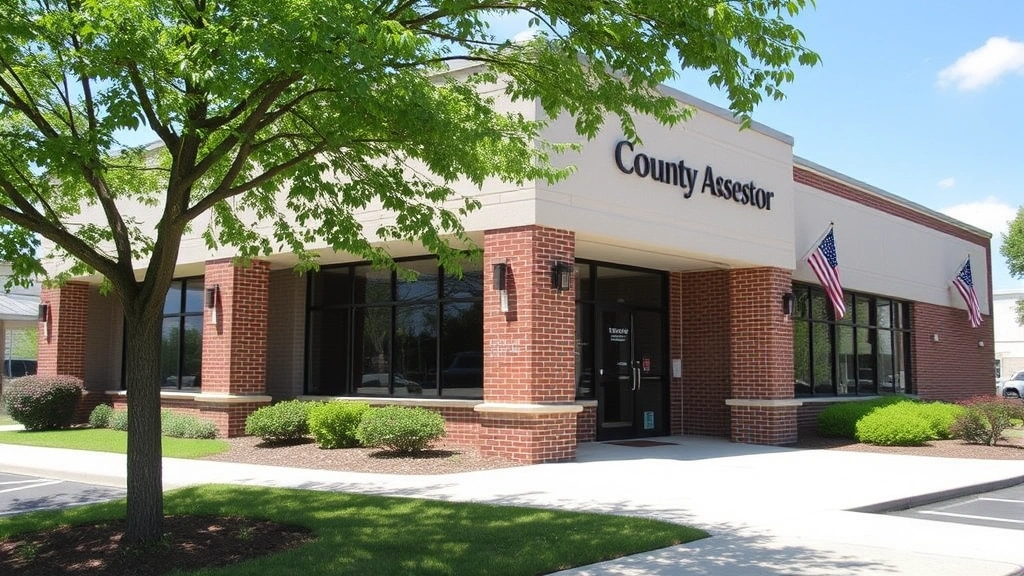
The county itself doesn’t set these rates; rather, individual municipalities, school districts, and special districts determine their own rates. This means your neighbor two towns over might pay considerably more or less than you do, even if your homes are similar in value. The county assessor’s office provides the foundation by determining assessed values, but the actual tax rate depends on local budgets and spending priorities. Understanding this structure helps you see why comparing your bill to a friend’s isn’t always apples-to-apples.
How Property Assessment Works in Waukesha
The assessment process is where many homeowners lose money without realizing it. Every property in Waukesha County is assessed at regular intervals—typically every 3 years for residential properties, though this can vary. The county assessor’s office determines your property’s fair market value, which becomes the basis for your tax calculation. This isn’t what you paid for your home or what you think it’s worth; it’s what the assessor believes it would sell for on the open market.

Assessors use several methods to determine value: the sales comparison approach (comparing your home to similar recent sales), the cost approach (what it would cost to rebuild), and the income approach (for rental properties). They’ll consider your home’s square footage, condition, age, lot size, and comparable properties in your area. The problem? Assessors sometimes make mistakes. They might overestimate your home’s condition, miss a structural issue, or use outdated comparable sales. This is where your opportunity lies. If your assessed value seems too high, you have the right to challenge it.
Homestead Exemption Benefits
Wisconsin’s homestead exemption is one of the most valuable tax breaks available to Waukesha County homeowners, and it’s surprisingly underutilized. If you own and occupy your home as your primary residence, you may qualify for this exemption, which reduces your taxable property value. The exemption amount varies based on your income and other factors, but it can translate to meaningful savings on your annual bill.
To claim the homestead exemption, you’ll file a form with your local municipality—it’s a straightforward process that takes about 15 minutes. The key requirement is that the property must be your primary residence; you can’t claim it on rental properties or vacation homes. Once approved, the exemption applies automatically each year unless your circumstances change. Many homeowners don’t realize they’re eligible or simply forget to file, leaving hundreds of dollars on the table annually. If you haven’t claimed this exemption yet, contact your local assessor’s office immediately—you may be able to claim back years of benefits.
Tax Relief Programs for Seniors
If you’re 65 or older and own property in Waukesha County, Wisconsin offers several tax relief programs specifically designed for seniors. The most significant is the property tax credit, which provides a tax break based on your household income and property taxes paid. This is a state-level program, not a county program, but it directly benefits Waukesha County residents.
Additionally, some municipalities within Waukesha County offer their own senior tax relief programs. These might include tax deferral programs where you can postpone paying property taxes (with interest) until your home is sold or transferred. There’s also the possibility of homestead property tax credit if your income falls within certain limits. The exact programs available depend on which municipality you live in, so it’s worth calling your local assessor’s office to ask what’s available. Many seniors don’t know these programs exist, which means they’re paying more than they have to during their retirement years.
Challenging Your Assessment
If you believe your property is assessed too high, Wisconsin law gives you the right to appeal. This is not a difficult or expensive process—in fact, it’s free. The appeal typically happens in two stages: first with your local board of review (usually in March), then potentially with the county’s assessment appeals board if you’re unsatisfied with the local decision.

To appeal effectively, you’ll need evidence that your assessment is incorrect. This might include a professional appraisal showing lower value, documentation of recent repairs or damage, comparable sales data showing lower prices, or proof that the assessor made factual errors (wrong square footage, missing a basement, etc.). Many homeowners successfully appeal their assessments simply by showing that their home sold recently for less than the assessed value. The board of review meets annually, and you’ll have the opportunity to present your case. Even if you’re not confident in your appeal, it costs nothing to try—and the potential savings can be substantial.
Agricultural Land Exemptions
If you own agricultural land in Waukesha County, you may qualify for an agricultural exemption that significantly reduces your tax burden. Wisconsin’s agricultural exemption applies to land actively used for farming, dairy, or other agricultural purposes. The key word here is “actively”—the land must be generating income through agricultural use.
The assessed value of agricultural land is typically much lower than the same land would be assessed if it were zoned for residential or commercial development. This is intentional policy designed to support farming and preserve agricultural areas. However, you must apply for and maintain this exemption; it doesn’t happen automatically. If your land no longer qualifies (because you’ve stopped farming or the use has changed), you need to notify the assessor so your assessment is adjusted appropriately. Conversely, if you have land that should qualify but hasn’t been assessed as agricultural, you’re likely overpaying taxes and should contact your assessor immediately.

Practical Strategies to Reduce Your Bill
Beyond the formal exemptions and appeals process, several practical strategies can help lower your Waukesha County property tax burden. First, ensure you’re taking advantage of all available exemptions—homestead, senior credits, and any municipality-specific programs. Second, keep your property well-maintained. While this won’t directly reduce your taxes, a home in poor condition should be assessed lower than an identical well-maintained home, so if you’ve made improvements, ensure they’re reflected in your assessment.
Third, monitor your assessment each year. Don’t wait for a major reassessment cycle; if you notice your assessed value has jumped significantly, investigate why. Fourth, consider the timing of major home improvements. In some cases, completing renovations in a way that spreads them across assessment periods can minimize the impact on your tax value. Fifth, if you’re considering a move within Waukesha County, research the tax rates in different municipalities—you might find that moving to a neighboring town with lower rates makes financial sense.
Finally, stay informed about local tax issues and budget decisions. Attending town meetings and understanding what drives your local tax rate can help you make informed decisions about your property and finances. You might also explore whether refinancing your mortgage or adjusting your withholding can help manage the cash flow impact of property taxes.
Common Mistakes Waukesha County Homeowners Make
One of the biggest mistakes homeowners make is assuming their assessment is correct without question. The assessor’s office is professional and well-intentioned, but they handle thousands of properties and errors happen. Not challenging an inflated assessment costs you money year after year. Another common mistake is missing deadlines—the board of review meets for a limited window each year, and if you miss it, you’ve lost your appeal opportunity for that year.
Many homeowners also fail to claim exemptions they’re eligible for, whether that’s the homestead exemption or senior tax credits. There’s no penalty for claiming something you’re entitled to, but there’s a real cost to not claiming it. Some homeowners also make the mistake of comparing their tax bills directly to friends’ bills without accounting for differences in assessed value, tax rates, or exemptions. This leads to frustration based on incomplete information.
Finally, some homeowners neglect to update their exemption status when their circumstances change. If you turn 65, your income changes significantly, or your primary residence changes, you need to notify the assessor. Failing to do so means you might miss out on benefits you’re now entitled to, or conversely, you might be claiming an exemption you no longer qualify for (which could create problems down the road).

Key Resources and Contacts
The Waukesha County Assessor’s Office is your primary resource for all assessment-related questions. You can also contact the Wisconsin Department of Revenue for information about state-level tax credits and exemptions. For detailed information about property tax appeals in Wisconsin, the state’s Department of Revenue website provides comprehensive guidance. If you’re dealing with complex assessment issues, organizations like the National Association of Property Tax Professionals can connect you with local experts.
For homeowners in other states looking at their own property tax situations, you might explore resources like the PA Property Tax Rebate program if you’re in Pennsylvania, the MN Property Tax Rebate if you’re in Minnesota, or information about Broward Property Tax if you’re in Florida. Each state has its own unique tax structure and relief programs worth investigating.
Frequently Asked Questions
When do I receive my property tax bill in Waukesha County?
Property tax bills in Wisconsin are typically mailed in late November or early December for the following year. Payment is usually due by January 31st. Some municipalities offer installment payment options, so check with your local treasurer’s office if you need flexibility with payment timing.

Can I deduct my Waukesha County property taxes on my federal income tax return?
Yes, you can deduct property taxes on your federal return as part of the State and Local Taxes (SALT) deduction, though the deduction is capped at $10,000 per year. You’ll need to itemize deductions rather than take the standard deduction for this to benefit you. Consult with a tax professional to determine if itemizing makes sense for your situation.
What happens if I don’t pay my property taxes on time?
If you don’t pay by the deadline, penalties and interest accrue. Wisconsin allows a grace period before foreclosure proceedings begin, but you don’t want to go down that road. If you’re facing financial hardship, contact your local treasurer’s office immediately to discuss payment plans or other options.
How often is my property reassessed in Waukesha County?
Most residential properties are reassessed every three years, though this can vary by municipality. Some areas reassess annually. You can contact your local assessor’s office to find out your property’s reassessment schedule.
Is there a cap on how much my assessed value can increase year to year?
Wisconsin has what’s called a “levy limit” that restricts how much total tax revenue municipalities can collect year to year, but there’s no cap on individual property assessment increases. However, if your home’s assessment increases significantly, that’s a sign you should consider appealing.
Can I appeal my assessment if my home recently sold for less than the assessed value?
Absolutely. A recent sale price significantly lower than your assessed value is one of the strongest arguments you can make in an appeal. This is concrete evidence that the assessment doesn’t reflect fair market value.
Final Thoughts on Managing Your Waukesha County Property Taxes
Your property tax bill doesn’t have to be a fixed cost that you simply accept and pay each year. By understanding how assessments work, knowing what exemptions you qualify for, and being willing to challenge inflated assessments, you can take meaningful steps to reduce what you owe. The time investment in learning about these opportunities typically pays for itself many times over through tax savings.
Start by reviewing your most recent assessment and comparing it to similar properties in your area. Check whether you’re claiming all available exemptions. Mark your calendar for your local board of review meeting date so you don’t miss the appeal window. And don’t hesitate to reach out to your assessor’s office with questions—they’re public servants and part of their job is helping property owners understand the system.
Managing your Waukesha County property taxes effectively is part of being a responsible homeowner and savvy financial planner. With the strategies and information in this guide, you’re well-equipped to ensure you’re not paying more than you should.


