

Understanding Waukesha County real estate taxes is essential for homeowners, investors, and anyone considering property in this Wisconsin region. Whether you’re buying your first home, refinancing, or managing rental properties, property taxes directly impact your bottom line—and they’re often higher than you’d expect. In this guide, we’ll break down how Waukesha County taxes work, what you’ll actually pay, and strategies to reduce your burden.
Table of Contents
How Property Taxes Are Calculated
Let’s start with the basics. Property taxes in Waukesha County aren’t a flat fee—they’re calculated using a formula that would make most homeowners’ heads spin. Here’s what actually happens:
Your property’s assessed value is multiplied by the tax rate (expressed as dollars per $1,000 of assessed value). In Waukesha County, that rate varies by municipality, but you’re typically looking at $12-$18 per $1,000 of assessed value, depending on where your property sits.
The county assessor determines your property’s assessed value every few years. They look at comparable sales, property condition, square footage, lot size, and improvements. This isn’t your home’s market value—it’s usually lower. Wisconsin caps residential property assessments at 100% of market value, but in practice, assessments run 80-90% of what your home would sell for.
Here’s the kicker: if your home’s market value jumps 15% in a hot market, your assessed value (and taxes) will follow. This is why homeowners in appreciating neighborhoods see their tax bills spike unexpectedly.
Current Tax Rates & Assessment
As of 2024, Waukesha County’s effective tax rate hovers around 1.2-1.4% of market value for residential properties. That means on a $400,000 home, you’re paying roughly $4,800-$5,600 annually in property taxes alone.
Here’s how it breaks down by municipality (approximate rates per $1,000 of assessed value):
- City of Waukesha: $14.50-$15.20
- Town of Waukesha: $13.80-$14.60
- Brookfield: $15.10-$15.90
- New Berlin: $14.20-$15.00
- Pewaukee: $13.50-$14.30
These rates include county, municipal, school district, and technical college levies. Your specific bill depends on which taxing jurisdictions your property falls within. A property in Brookfield near the school district might pay significantly more than an identical home in an unincorporated area.
The Wisconsin Tax Rebate Status program can provide relief for qualifying homeowners, so check your eligibility annually.
Wisconsin Homestead Exemption Benefits
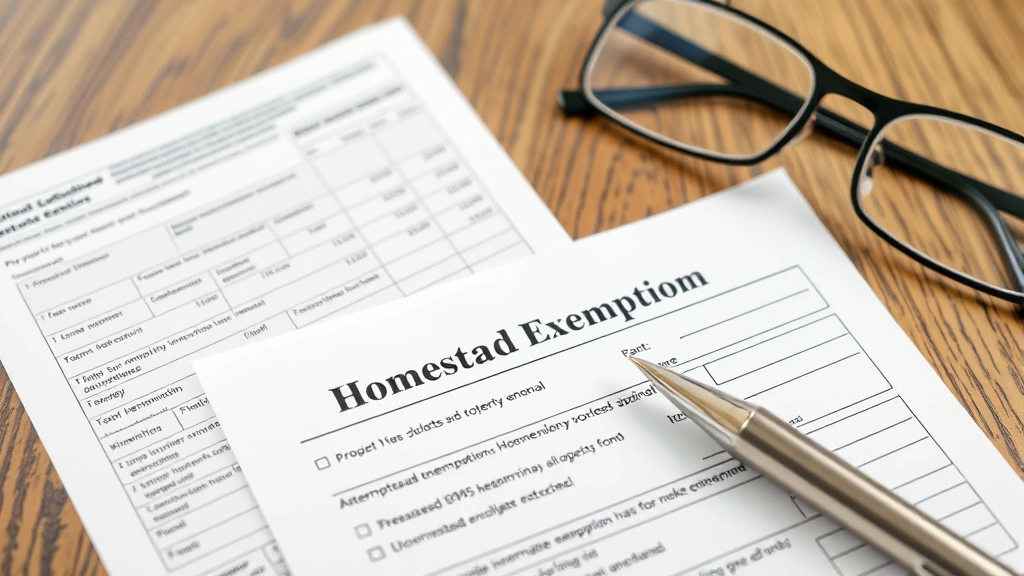
Wisconsin offers a homestead exemption that can save you real money. If you own and occupy your home as your primary residence, you’re likely eligible. This exemption limits the tax you pay on the first $35,000 of your home’s assessed value (the limit increases periodically).
Here’s how it works in practice: if your home’s assessed value is $300,000, only $265,000 is subject to the full tax rate. The remaining $35,000 gets taxed at a lower rate. For most homeowners, this saves $300-$600 annually.
You must file for the exemption with your municipality. Many people don’t realize they need to claim it—it doesn’t happen automatically. Check with your town or city assessor’s office to confirm you’re receiving this benefit. If you bought recently or moved, you may need to reapply.
Rental properties and investment real estate don’t qualify for the homestead exemption, which is why landlords in Waukesha County face significantly higher effective tax rates than owner-occupants.
Understanding Tax Assessment Process
Waukesha County uses a triennial assessment cycle, meaning your property is formally reassessed every three years. However, assessments can be updated annually if significant changes occur—new construction, major renovations, or if comparable sales data suggests your value has shifted dramatically.
The assessment process starts with the assessor’s office reviewing public records, property transfers, and conducting physical inspections when necessary. They build a database of comparable properties and use statistical modeling to estimate fair market values.
You’ll receive a notice of assessment (NOA) in the mail. This is your chance to review the assessed value. Check it carefully—errors happen. If the assessed value seems too high compared to recent sales of similar homes nearby, you have grounds to appeal.
Similar to Fairfax County Real Estate Tax Assessment processes, Waukesha County provides transparency in how values are determined, though the specifics vary by municipality.
How to Appeal Your Assessment
Nobody enjoys receiving a property tax bill, but if you believe your assessment is wrong, you have options. Wisconsin law gives you the right to appeal within 30 days of receiving your notice of assessment.
Step 1: File a Complaint with Your Assessor
Contact your town or city assessor and request a formal review. Provide evidence: recent appraisals, comparable sales in your neighborhood, photos of property condition issues (foundation problems, roof damage, etc.). Be specific about why you think the value is too high.
Step 2: Attend the Assessment Review Meeting
Most municipalities hold assessment review sessions in July. You can attend in person and present your case. Bring documentation. Many assessments are reduced after homeowners present evidence of lower comparable sales.
Step 3: File with the County Board of Review
If you’re still unsatisfied, you can appeal to the county board of review. This is more formal but still manageable without an attorney. Deadlines are strict—typically mid-July.
Step 4: Consider Legal Action (Last Resort)
If the assessment is significantly off (we’re talking 20%+ overvalue), you can hire a tax attorney or property tax consultant. This costs money upfront but can pay off on high-value properties.
Pro tip: successful appeals often hinge on finding recent comparable sales that support a lower value. Use public records (available online) and work backward from recent sales prices in your neighborhood.
Strategies to Reduce Taxes
Beyond appealing your assessment, several strategies can legitimately lower your Waukesha County real estate tax burden:
1. Verify Your Homestead Exemption Status
As mentioned, this is the easiest win. Call your assessor and confirm you’re receiving it. If you’re not, file immediately.
2. Look for Special Exemptions
Wisconsin offers exemptions for agricultural land, forest land, and wetlands. If your property qualifies, the tax savings are substantial. You’ll need to apply and meet specific criteria (e.g., agricultural land must be actively farmed).
3. Challenge Inflated Assessments Aggressively
Don’t accept an assessment you believe is wrong. The appeal process is designed for homeowners to use. Gather comparable sales data and make your case. Even a 5-10% reduction saves hundreds annually.
4. Explore Tax Increment Financing (TIF) Districts
Some Waukesha County areas have TIF districts where property taxes are frozen at current levels for a set period. If you’re buying in a TIF district, you get temporary tax relief. Research whether your target property falls within one.
5. Consider Property Tax Deferral (Age 65+)
If you’re 65 or older and meet income limits, Wisconsin allows you to defer property taxes. You’ll owe them eventually (with interest), but it provides cash flow relief in retirement years.
6. Document Home Improvements Correctly
Major renovations can trigger reassessment. If you’re planning work, understand the tax implications. Some improvements (like roof replacement) may increase assessed value, while others might not. Consult your assessor before starting major projects.
Commercial vs. Residential Taxation
If you own commercial property in Waukesha County, your tax situation differs significantly from residential ownership. Commercial and industrial properties are assessed differently and typically face higher effective tax rates.
Residential Properties: Capped at 100% of market value for assessment purposes. Eligible for homestead exemption if owner-occupied. Effective tax rate: 1.2-1.4% of market value.
Commercial Properties: Also assessed at up to 100% of market value but without exemptions. Effective tax rate: 1.5-2.0% of market value. The higher rate reflects the lack of exemptions and different assessment methodologies.
Agricultural Land: If actively farmed, can be assessed at agricultural use value rather than market value—potentially saving thousands annually. Requires specific application and proof of active farming.
Commercial property owners should particularly focus on assessment appeals. The stakes are higher, and professional assessment challenges often pay for themselves through reduced tax bills.
Recent Tax Law Changes 2024
Wisconsin made several changes to property tax law in 2023-2024 that affect Waukesha County residents:
Homestead Credit Increase: The state increased the homestead credit, which provides direct tax relief to low- and moderate-income homeowners. If your household income qualifies (roughly under $60,000 for a single filer), check if you’re claiming this credit on your state tax return. Many people miss it.
Assessment Cycle Updates: Waukesha County continues its triennial assessment schedule. Properties last assessed in 2023 won’t see formal reassessment until 2026, unless significant changes trigger an interim update.
School Funding Referendum Impact: Several Waukesha County school districts have passed funding referendums in recent years. These increase property taxes directly—your tax bill may jump if your school district approved new spending. Check your school district’s website for upcoming referendums.
Digital Assessment Tools: The county has improved online assessment lookup tools. You can now view your assessed value, comparable sales data, and assessment history online. Use these resources to build your appeal case if needed.
For broader Wisconsin tax context, check the Wisconsin Tax Rebate Status page for any state-level credits you might be missing.

Frequently Asked Questions
What’s the average property tax bill in Waukesha County?
For a median-priced home ($380,000-$420,000), expect to pay $4,500-$5,800 annually in property taxes. This varies by exact location, school district, and whether you receive the homestead exemption. Homes in Brookfield and New Berlin tend to run higher than unincorporated areas.
Can I deduct property taxes on my federal return?
Yes, but with limits. The SALT (State and Local Tax) deduction is capped at $10,000 per year on your federal tax return. If your property taxes plus state income taxes exceed $10,000, you can’t deduct the excess. This affects many Wisconsin homeowners, especially those in higher-income brackets.
How often does Waukesha County reassess property?
Formally, every three years. However, assessments can be updated annually if your property undergoes significant changes (major additions, demolition, etc.) or if the assessor identifies errors. You’ll receive notice of any formal reassessment.
What happens if I don’t pay my property taxes?
Wisconsin allows a redemption period before foreclosure. If you don’t pay, the county can place a tax lien on your property. Eventually, the property can be sold at tax deed sale. Don’t ignore property tax bills. Contact your municipality immediately if you’re having trouble paying.
Are property taxes higher in Wisconsin than other states?
Yes. Wisconsin’s effective property tax rate (around 0.8-1.4% of home value) is above the national average (0.71%). However, Wisconsin has lower sales taxes and more generous property tax credits than many states, so the total tax burden varies by individual circumstances.
Can I negotiate my property tax rate?
No. The tax rate is set by your municipality and school district through the budgeting process. However, you can advocate for lower spending at town meetings and school board meetings. You can also appeal your assessed value, which directly reduces your bill.
What’s the difference between assessed value and market value?
Assessed value is what the assessor determines your home is worth for tax purposes (up to 100% of market value). Market value is what your home would actually sell for. In practice, assessed values run 80-95% of market value. A $400,000 home might be assessed at $360,000-$380,000.
Do I need to hire a tax professional to appeal my assessment?
Not necessarily. Many successful appeals are handled by homeowners without professional help. If your property is valuable or the assessment seems significantly wrong, hiring a property tax consultant or attorney might pay for itself. For typical residential properties, doing it yourself is usually sufficient.
Final Thoughts on Waukesha County Real Estate Taxes
Understanding Waukesha County real estate taxes puts you in control of one of your largest annual expenses. Whether you’re a new homeowner shocked by your first tax bill or an investor managing multiple properties, the strategies outlined here—from claiming exemptions to appealing assessments—can save you thousands over time.
Start by verifying you’re receiving the homestead exemption. Then, review your assessed value against recent comparable sales. If it seems high, file an appeal. These two steps alone help most homeowners reduce their tax burden without hiring professionals.
Stay informed about school district referendums and municipal budget decisions. These directly impact your tax rate. Finally, track changes to Wisconsin state tax law, as credits and exemptions shift annually. The effort you invest understanding your taxes pays dividends year after year.


