

A Westmoreland County tax map is your roadmap to understanding property assessments, tax rates, and land valuations across Pennsylvania’s Westmoreland County. Whether you’re a homeowner, investor, or business owner, knowing how to navigate these maps can save you thousands in property taxes and help you make smarter real estate decisions.
Table of Contents
What Is a Tax Map?
A tax map is essentially a visual representation of all taxable properties within a jurisdiction, broken down by parcel. Each property gets its own unique identifier, and the map shows boundaries, lot sizes, and ownership information. Think of it as a detailed GPS system for property taxation.
These maps serve multiple purposes: they help assessors track properties, assist in calculating taxes, and provide transparency for property owners. When you own land or a home in Westmoreland County, your property appears on these official maps, and the information directly impacts your annual tax bill.
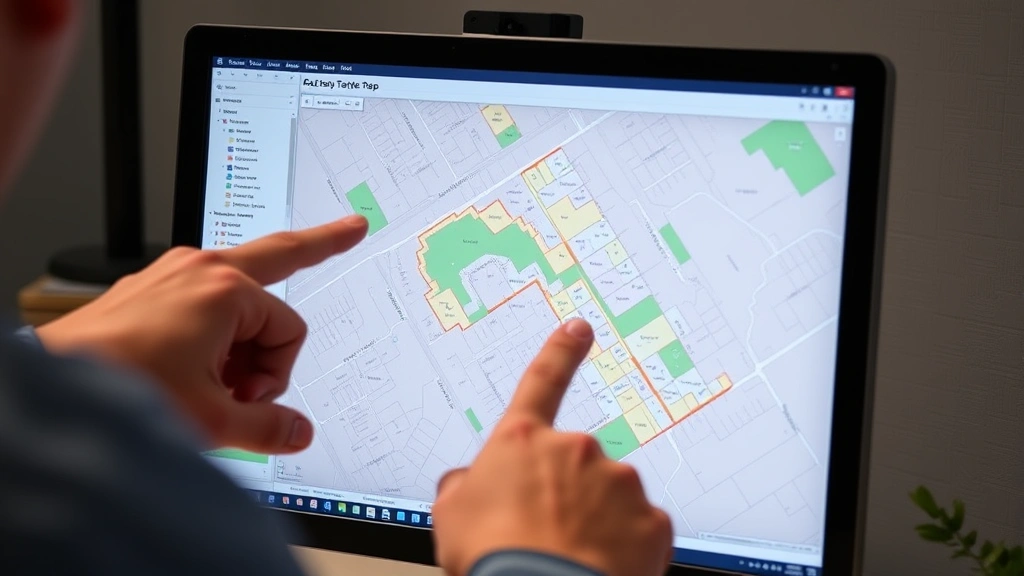
The beauty of modern tax maps is they’re now digitized and searchable online. You don’t need to visit a dusty courthouse anymore—you can pull up your property details from your couch. This accessibility has made it easier for homeowners to verify accuracy and spot errors before they cost you money.
Westmoreland County Overview
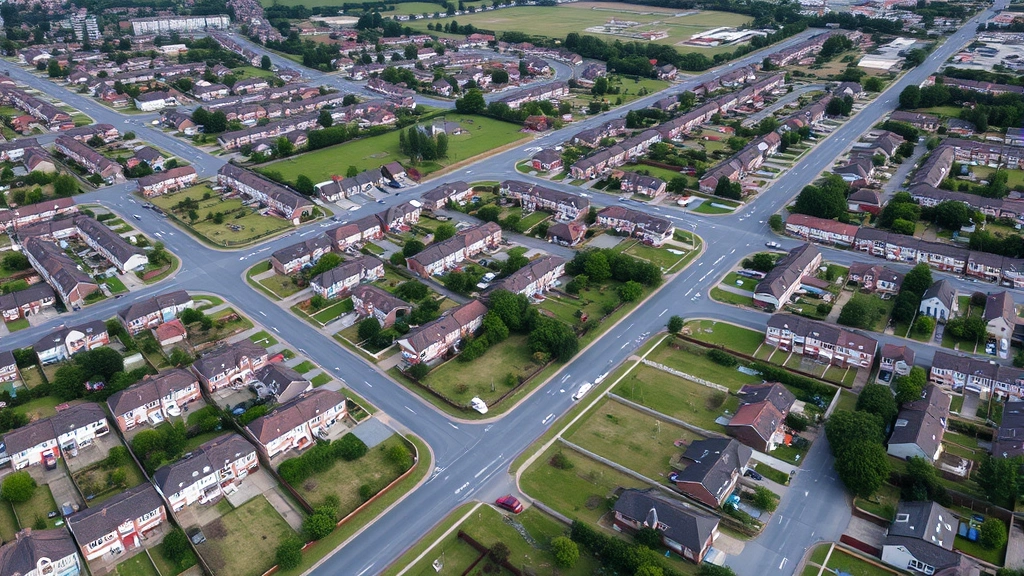
Westmoreland County sits in southwestern Pennsylvania, encompassing over 1,000 square miles and home to roughly 350,000 residents. It’s a diverse area with everything from rural farmland to suburban neighborhoods to industrial zones. This variety means property values and tax rates vary significantly across the county.
The county includes major municipalities like Greensburg, Latrobe, and New Kensington, each with its own tax assessment practices. Understanding where your property falls within this landscape matters because tax rates differ between townships, boroughs, and school districts. A home in one municipality might have a dramatically different tax burden than an identical home five miles away.
Westmoreland County uses the services of professional assessment companies to maintain tax maps and property records. This professionalization helps ensure consistency, though it also means understanding the system requires knowing who to contact and where to look for information.
How to Access Tax Maps Online
The easiest way to find your property on the Westmoreland County tax map is through the county’s official assessment office website. Most Pennsylvania counties, including Westmoreland, have made their tax maps publicly available online at no cost.
Here’s what you’ll need to search:
- Your street address
- Your parcel number (if you have it)
- Your municipality name
- Your last name (as the property owner)
Once you access the online system, you’ll see a digital map with your property highlighted. The system typically shows your parcel number, lot size, building square footage, and assessed value. Some systems even include aerial photos of your property.
If you’re having trouble navigating the online system, you can always contact the Westmoreland County Assessment Office directly. They’re usually helpful and can walk you through finding your specific property information. Keep in mind that assessment records are public information—anyone can look up any property in the county.
Reading Your Tax Map Correctly
Once you’ve found your property on the Westmoreland County tax map, you’ll see several key pieces of information. Understanding what each field means is crucial for spotting errors.
Parcel Number: This unique identifier is the most important piece of information on your tax map. It’s used to track your property throughout its life and links to all assessment records.
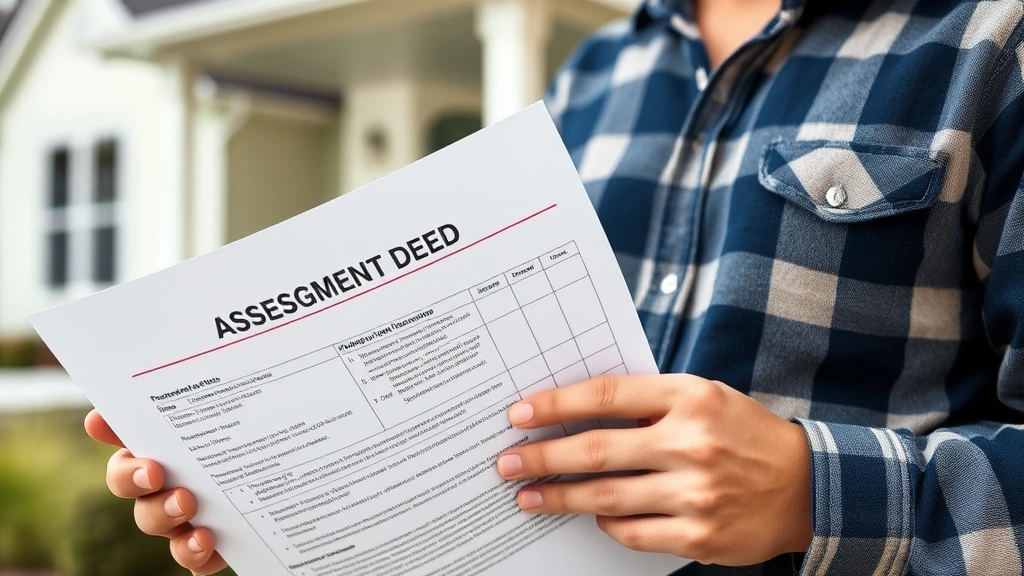
Lot Size: Listed in square feet or acres, this should match your deed. Errors here can inflate your assessment.
Building Square Footage: The assessor’s measurement of your home’s living space. This heavily influences your assessed value, so verify it matches your actual home size.
Assessed Value: This is what the county believes your property is worth for tax purposes. It’s typically lower than market value.
Land Value vs. Building Value: Tax maps often separate these two components. Understanding the split matters when appealing assessments.
Pay close attention to any notations or special codes on your map. These might indicate exemptions, agricultural status, or other factors affecting your taxes.
Property Assessment Fundamentals
Property assessment is where the tax map information translates into actual dollars. Assessors use standardized methods to determine your property’s value, which then gets multiplied by the tax rate to calculate your bill.
Most Pennsylvania counties, including Westmoreland, use either a market value approach or a cost approach. The market value approach looks at comparable sales in your area. The cost approach adds up land value plus the cost to rebuild your home, minus depreciation.
Assessments in Pennsylvania are supposed to be at a uniform percentage of market value, typically between 30-50% depending on the county. This means your assessed value is intentionally lower than what you might sell your home for—that’s by design.
Here’s where it gets tricky: assessments don’t update every year in most counties. When they do update, they often jump significantly. If your assessment hasn’t been updated in 10 years and suddenly increases by 40%, that’s worth investigating. You might have grounds for an appeal.
Working with local tax services like Berkheimer Local Tax can help you understand your specific assessment and whether it’s accurate. These professionals know the quirks of your local system.
How Tax Rates Are Calculated
Understanding how your actual tax bill gets calculated requires knowing the relationship between assessed value and tax rate. Here’s the basic formula:
Annual Tax Bill = Assessed Value × Tax Rate
The tax rate in Westmoreland County varies by municipality. A township might have a rate of 18 mills (meaning $18 per $1,000 of assessed value), while a borough might be 22 mills. School district rates are separate and stack on top of municipal rates.
Let’s say your home is assessed at $150,000 and your total tax rate is 35 mills. Your calculation would be:
$150,000 × 0.035 = $5,250 annual property tax
This is why even small assessment errors matter. A $10,000 overassessment on a 35-mill rate costs you $350 per year—that’s $3,500 over a decade. Catching errors early saves real money.
Tax rates themselves change annually as municipalities adjust budgets. The Westmoreland County tax map shows your property’s assessed value, but you’ll need to check your municipality’s current tax rate separately to calculate your actual bill.
Appealing Your Assessment
If you believe your Westmoreland County tax map assessment is wrong, you have options. Pennsylvania law allows property owners to appeal assessments through a formal process.
First, gather evidence. Take photos of your home’s condition, get recent repair estimates for any issues, and compile information about comparable homes that sold nearby for less than your assessed value. This documentation is your ammunition in an appeal.
The appeal process typically starts with filing a formal complaint with your county assessment office. You’ll need to submit this within a specific timeframe—usually 30 days of receiving your assessment notice. Missing the deadline can cost you your right to appeal for that year.
If the assessment office denies your appeal, you can escalate to the county board of assessment appeals. This is where having professional help becomes valuable. Tax appeal specialists and assessors can present technical arguments that carry weight with the board.
Services like York Adams Tax Bureau handle similar appeals in neighboring counties and understand Pennsylvania’s assessment system inside and out. Their expertise can mean the difference between a successful appeal and walking away empty-handed.
The key to successful appeals is documentation and timeliness. Don’t wait until you’re angry about your bill—start gathering evidence as soon as you notice an error on your tax map.
Working With Local Tax Services
Navigating Westmoreland County’s tax system alone can be overwhelming, especially if you own multiple properties or have a complex situation. Local tax services exist specifically to help with these challenges.
These professionals typically offer services including:
- Assessment verification and review
- Appeal preparation and representation
- Tax planning strategies
- Multi-parcel management
- Commercial property assessment assistance
When choosing a local tax service, look for professionals with specific experience in Westmoreland County. They’ll know the assessment office staff, understand local trends, and have relationships that can help your case. A tax service familiar with your specific municipality is even better.
Tax Strategist resources can help you develop a broader tax reduction strategy that goes beyond just your property assessment. Sometimes the real savings come from combining multiple tax-saving strategies.
Don’t be intimidated by professional fees. If a tax service can reduce your assessment by $20,000, saving you $700 per year in taxes, their fee pays for itself within a couple of years. This is especially true for commercial properties or high-value homes where assessment errors are more costly.
Common Tax Map Mistakes to Avoid
After years of working with property owners, certain mistakes appear repeatedly. Knowing these can help you avoid costly errors.
Ignoring Assessment Notices: Many people toss their assessment notice without reading it carefully. This is how errors go unnoticed for years. Read every number and compare it to your actual property.
Confusing Assessed Value With Market Value: Your assessed value is intentionally lower than your home’s market value. Don’t panic if your assessment is $100,000 less than what a realtor says your home is worth—that’s normal.
Missing Appeal Deadlines: Pennsylvania has strict deadlines for filing assessment appeals. Missing the deadline by one day means you lose your right to appeal for that year. Mark your calendar immediately when you receive an assessment notice.
Not Verifying Property Details: Check that your lot size, building square footage, and number of rooms match reality. Assessors sometimes make transcription errors that inflate your assessment.
Forgetting About Exemptions: If you’re eligible for agricultural exemptions, senior exemptions, or other tax breaks, you need to apply for them. They don’t happen automatically. Check PA Tax Exempt Form resources to see what you might qualify for.
Assuming Your Neighbor’s Assessment Is Correct: Just because your neighbor has a similar-looking home doesn’t mean you should have identical assessments. Differences in condition, updates, lot size, or assessment year can justify different values.
Understanding Property Records
Your Westmoreland County tax map is connected to broader property records maintained by the county. These records include deed information, ownership history, and any liens or judgments against the property.
When you pull up your tax map information, you’re seeing a snapshot. But the complete picture includes:
- Deed Records: Legal proof of ownership and property boundaries
- Mortgage Information: Lender details and loan amounts (public record)
- Tax Payment History: Whether taxes are current or delinquent
- Judgment Records: Any legal judgments filed against the property
- Transfer History: Previous sales and ownership changes
Understanding this full context helps you spot problems. If your tax map shows your home as a single-family residence but your deed describes it as a duplex, that’s a red flag. The assessment might be wrong.
Services like Fayette County Tax Records demonstrate how thorough property record research can reveal assessment discrepancies. The same principles apply in Westmoreland County.
Staying Updated on Tax Changes
Tax rates and assessment practices change regularly in Westmoreland County. Staying informed protects your wallet and helps you plan ahead.
Subscribe to your municipality’s newsletter or website updates. Many townships and boroughs announce tax rate changes well in advance. School districts post their budgets and tax rates publicly. Setting up alerts for these announcements means you’ll never be surprised by a sudden tax increase.
Also monitor state-level changes. Pennsylvania periodically adjusts assessment guidelines and appeal procedures. What was true about the appeal process five years ago might be outdated now. Check the state website annually for updates.
Consider consulting with a PA Sales Tax expert if you own a business in addition to property. Sales tax and property tax are connected in some situations, and optimizing both together creates bigger savings.

Frequently Asked Questions
How often does Westmoreland County update tax maps?
Assessment updates vary by municipality. Some areas update annually, while others might go 3-5 years between updates. When updates happen, they often result in significant value changes. Check with your specific municipality for their update schedule.
Can I get a copy of my tax map assessment?
Yes. You can request a copy from the Westmoreland County Assessment Office. Most offices provide this information for free or a small fee. You can also download it directly from the county’s online system if available.
What’s the difference between assessed value and appraised value?
Assessed value is what the county says your property is worth for tax purposes. Appraised value is what a professional appraiser determines your home is worth, typically for mortgage or insurance purposes. Assessed value is intentionally lower and serves a different purpose than appraisals.
If I improve my home, will my taxes go up?
Possibly. Major improvements like adding a room or finishing a basement might trigger an assessment update, increasing your taxes. Minor cosmetic improvements typically don’t affect assessments. This is another reason to keep detailed records—you need to know if the county is aware of your improvements.
How long does a property tax appeal take?
The timeline varies. Initial assessment office reviews might take 30-90 days. If you escalate to the county board of appeals, expect 6-12 months. Having professional representation can sometimes speed up the process.
Are there tax breaks available in Westmoreland County?
Yes. Westmoreland County offers various exemptions including agricultural exemptions, senior exemptions, and exemptions for certain organizations. You must apply for these—they don’t happen automatically. Check with your municipality about what you might qualify for.
What if I find an error on my tax map?
Contact the Westmoreland County Assessment Office immediately. Provide documentation of the error (photos, measurements, deed information). Request a formal correction. If they refuse, you can file an appeal. The sooner you catch errors, the better.
Final Thoughts
The Westmoreland County tax map is more than just a bureaucratic document—it’s the foundation of your property tax bill. Understanding how to access it, read it, and verify its accuracy puts you in control of a significant household expense.
Start by pulling up your property information online. Spend 30 minutes reviewing the details against your actual home. If you spot discrepancies, don’t ignore them. Small errors compound into thousands of dollars over time.
If you own property in Westmoreland County, make checking your tax map an annual habit, especially around assessment update periods. Set calendar reminders for appeal deadlines. Consider consulting with local tax professionals if your situation is complex or if you spot potential errors.
Property taxes are one of the few taxes where you have direct control over accuracy. You can’t negotiate income tax rates or sales tax rates, but you can challenge your property assessment. Taking advantage of this right is smart financial management.


