

What is CA SDI tax? It’s a state-mandated insurance program that California deducts from your paycheck to provide temporary disability benefits when you can’t work due to illness or injury. Think of it as your safety net—a small percentage of your wages goes into a fund that protects your income during life’s unexpected interruptions.
Table of Contents
SDI Basics: What You Need to Know
California’s State Disability Insurance (SDI) is one of only five state-run disability programs in the United States—and it’s been around since 1946. Unlike federal programs, California’s SDI is funded entirely by employee contributions, not employer taxes. This means you’re building your own safety net with every paycheck.
The program covers temporary disability, which means it helps you when you’re unable to work for a limited period. This could be from pregnancy, childbirth, surgery recovery, or a non-work-related illness or injury. It’s not permanent disability insurance—that’s a different animal entirely.
Most California employees automatically participate in SDI. Your employer withholds a small percentage from your wages, and this money goes into the state’s disability insurance fund. You don’t have to enroll, fill out applications, or negotiate anything. It’s built into your employment in California.
How SDI Works in California
Here’s how the system actually functions: When you can’t work due to a qualifying condition, you file a claim with the California Employment Development Department (EDD). The EDD reviews your claim to ensure you meet eligibility requirements, then approves or denies your request for benefits.
If approved, you receive weekly benefit payments that replace a portion of your lost wages. The amount you get depends on your earnings history. The EDD calculates your average weekly wage based on the highest quarter of earnings in the past 12 months, then pays you about 55-66% of that average.
The benefit period typically lasts up to four weeks per claim, but you can file multiple claims in a 12-month period if you have multiple qualifying conditions. The maximum benefit duration is 52 weeks within a 12-month period. This gives you genuine protection without creating permanent dependency.
One important detail: SDI benefits are taxable income. The EDD doesn’t withhold taxes automatically, so you may owe taxes on these benefits when you file your annual return. Many people don’t realize this and get surprised come tax time.
Current Rates and Wage Limits
As of 2024, California’s SDI tax rate is approximately 1.0% of your gross wages. This rate can fluctuate slightly year to year based on the fund’s balance and claims experience. Your employer withholds this percentage from each paycheck—it appears on your pay stub as “SDI” or “CASDI.”
There’s also a wage base limit, which is the maximum amount of annual earnings subject to SDI tax. For 2024, this limit is $153,164. If you earn more than this amount, you only pay SDI tax on the first $153,164 of your annual income. Once you hit that threshold, no more SDI contributions are withheld for the rest of the year.
Let’s put this in perspective: If you earn $60,000 annually, you’d contribute approximately $600 per year to SDI (1.0% × $60,000). That’s about $50 per month or roughly $11.50 per paycheck if you’re paid biweekly. It’s a modest amount that most people barely notice, yet it provides crucial protection.
The state adjusts these rates and limits annually based on actuarial analysis. The SDI fund must maintain adequate reserves to pay claims, so rates might increase if claims spike or decrease if the fund is healthy. This is why you might see slight variations in your SDI withholding from year to year.
Who Qualifies for SDI Benefits
Not everyone in California automatically qualifies for SDI benefits, even though most pay into the system. You need to meet specific criteria to actually receive payments when you can’t work.
First, you must have a qualifying medical condition. This includes:
- Pregnancy and childbirth recovery
- Non-work-related illness or injury
- Surgery or medical treatment recovery
- Mental health conditions affecting your ability to work
- Substance use disorder treatment
Second, you must be unable to work during your entire claim period. This is key—you can’t work part-time or do any job duties. The EDD takes this seriously and may request medical documentation to verify your condition.
Third, you need sufficient work history. You must have earned at least $300 in the base period (typically the first four of the last five quarters before your claim). Most people who’ve worked steadily meet this requirement.
Fourth, you must be unemployed due to your disability—meaning you lost income specifically because you couldn’t work. If you’re still getting paid while recovering, you don’t qualify for SDI.

Finally, you cannot be receiving workers’ compensation for the same condition. If your illness or injury occurred at work, workers’ comp covers it, not SDI. These programs don’t overlap.
Filing Your SDI Claim
When you need to file an SDI claim, the process is straightforward but requires attention to detail. You can file online through the EDD website, by mail, or by phone. Most people find the online portal fastest and easiest.
To file, you’ll need:
- Your Social Security number
- Driver’s license or ID number
- Information about your employer(s)
- Your doctor’s contact information and medical certification
- Details about your condition and when you became unable to work
Your healthcare provider must complete a medical certification form confirming your inability to work. This isn’t optional—without medical documentation, your claim will be denied. The EDD takes fraud seriously, so they verify everything.
Once you file, the EDD typically responds within 10-14 business days. If approved, you’ll receive your first payment within two weeks. If denied, you have the right to appeal. Many denied claims are actually approved on appeal, so don’t give up if you’re initially rejected.
During your claim period, you must continue to report any work you perform, even if it’s just a few hours. Failing to report work is considered fraud and can result in overpayment demands and penalties.
SDI vs. Unemployment Insurance
People often confuse SDI with unemployment insurance (UI), but they’re completely different programs serving different purposes. Understanding the distinction is crucial for your financial planning.
SDI covers temporary disability—situations where you physically or mentally cannot work due to a medical condition. You’re not looking for a job; you’re recovering from an illness or injury.

Unemployment insurance covers job loss—situations where you’re able and willing to work but can’t find employment. You must actively search for jobs and be available to start work immediately.
You cannot receive both SDI and UI simultaneously for the same time period. If you’re approved for SDI, you’re not eligible for UI because you’re not available for work. Once your SDI benefits end and you’re medically cleared to work, you could potentially file for UI if you’re still unemployed.
The benefit amounts differ too. SDI replaces about 55-66% of your average weekly wage, while UI replaces about 50% of your average weekly wage (though the exact percentage varies). Both programs have maximum weekly benefit amounts that adjust annually.
Here’s a real-world scenario: You have surgery and can’t work for six weeks. SDI covers you. After you’re cleared to work, you discover your employer eliminated your position. Now you file for UI because you’re able to work but unemployed. Two different programs, two different situations.
Impact on Your Paycheck
Let’s talk about what SDI actually costs you in real dollars. For a typical California employee earning $50,000 annually, SDI withholding is approximately $500 per year, or about $19.23 per biweekly paycheck. It’s a noticeable line item but not devastating.
Your pay stub will show SDI as a deduction from your gross pay. It reduces your taxable income slightly, but more importantly, it reduces your take-home pay. This is why understanding paycheck deductions matters—every percentage point affects your actual cash flow.
If you’re a high earner exceeding the wage base limit, you stop paying SDI once you hit that threshold. Someone earning $200,000 pays SDI only on the first $153,164 (2024 limit), then pays nothing for the remainder of the year. This creates a slight advantage for higher earners, though they’re still building their own safety net on a large base.
Some employers offer voluntary SDI plans as an alternative to the state program, though this is rare in California. These private plans must provide benefits equal to or greater than the state program. If your employer offers this option, carefully compare the costs and benefits before choosing.
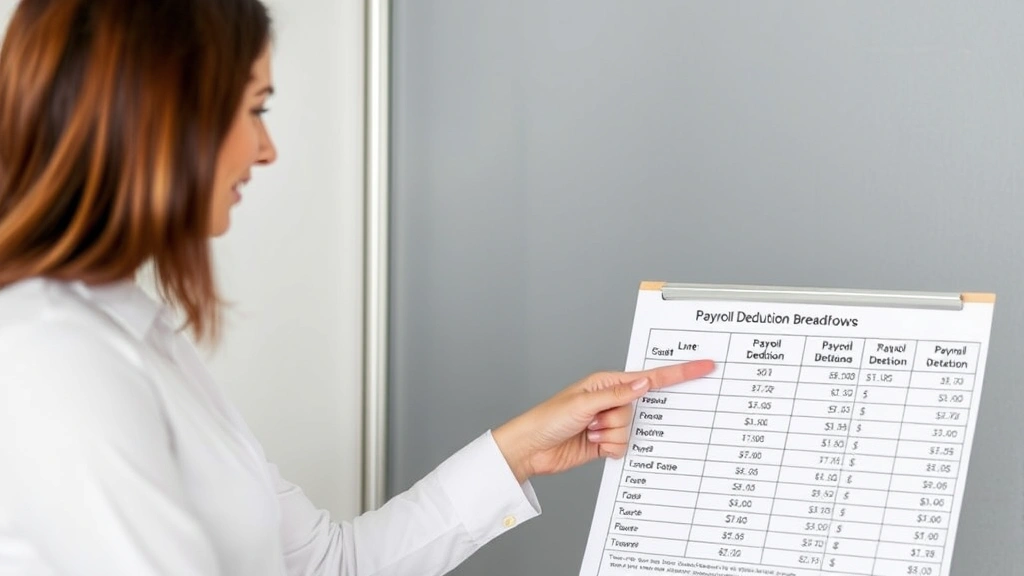
The key point: SDI is a mandatory deduction for most California employees, similar to Social Security and Medicare taxes. You don’t have a choice about whether to participate—it’s built into employment in the state. Think of it as an insurance premium you’re paying for protection against temporary income loss.
Paid Family Leave Connection
California’s Paid Family Leave (PFL) program is closely related to SDI and uses the same funding mechanism. In fact, you might see both SDI and PFL deductions on your pay stub, or they might be combined into one line item.
PFL allows you to take up to eight weeks of partially paid leave to bond with a new child, care for a seriously ill family member, or handle military family issues. The program pays you about 55-66% of your average weekly wage, just like SDI.
Here’s the connection: Both programs are funded through the same SDI payroll deduction. The state splits the 1.0% SDI withholding between the disability insurance fund and the family leave fund. Some years the split might be 0.7% for disability and 0.3% for family leave, or other combinations.
You don’t separately choose which program to fund—the state allocates the money. However, you can use both programs in the same 12-month period if you have both a qualifying disability and a qualifying family leave situation. For example, you could take six weeks of SDI for surgery recovery, then take eight weeks of PFL to bond with a new baby.
The SDI tax and PFL are essentially two benefits funded from the same source, which is why understanding one requires understanding the other. They’re complementary programs designed to protect your income during major life events.
Frequently Asked Questions
Can I opt out of California SDI?
No, you cannot opt out of SDI if you’re a regular California employee. It’s mandatory. The only exceptions are government employees in certain categories, some religious groups with specific beliefs, and employees in states with approved private disability plans. For virtually all private sector employees, SDI participation is non-negotiable.
What happens to my SDI contributions if I move out of California?
If you leave California and work in another state, you stop contributing to California’s SDI. However, your contributions remain in the fund. If you later become disabled while no longer working in California, you cannot claim benefits based on California employment. Your contributions essentially stay in the fund to support current claimants. This is why some people who leave California feel frustrated—they paid in but can’t access benefits.

How long does it take to receive SDI benefits?
After you file your claim, the EDD typically takes 10-14 business days to process it. If approved, you’ll receive your first payment within two weeks of approval. So total time from filing to first payment is usually 3-4 weeks. During this time, you’re not receiving income, which is why having an emergency fund is crucial.
Are SDI benefits taxable income?
Yes, SDI benefits are fully taxable income for federal tax purposes. You must report them on your tax return. California doesn’t tax SDI benefits, but the federal government does. The EDD doesn’t withhold taxes automatically, so you may owe taxes when you file. Many people are surprised by this—they receive $1,000 in SDI benefits and think they owe taxes on the full amount.
Can I work while receiving SDI benefits?
No, you cannot work while receiving SDI benefits. The program specifically covers periods when you’re unable to work. If you work even a few hours, you must report it to the EDD. Earning income while claiming you’re disabled is considered fraud and can result in overpayment demands, penalties, and potential criminal charges.
What’s the maximum SDI benefit amount?
For 2024, the maximum weekly SDI benefit is $1,540 (this adjusts annually). If your average weekly wage is very high, your benefit is capped at this maximum. Most people receive less than the maximum because their average weekly wage is lower than what would generate the maximum benefit.
Can I appeal a denied SDI claim?
Absolutely. If the EDD denies your claim, you have the right to appeal. You have 20 days from the denial notice to file an appeal. Many people win on appeal, especially if they provide additional medical documentation or evidence the first time around. Don’t assume a denial is final—appeal if you believe you qualify.
Does SDI cover mental health conditions?
Yes, SDI covers mental health conditions that prevent you from working. Depression, anxiety, PTSD, and other mental health disorders qualify if they’re severe enough to make you unable to work. You’ll need medical documentation from a healthcare provider confirming your condition and inability to work.
Summary: California’s State Disability Insurance is a mandatory payroll deduction that provides income protection when you can’t work due to illness or injury. At roughly 1.0% of your wages, it’s an affordable safety net that replaces 55-66% of your income for up to 52 weeks. While you can’t opt out of SDI, understanding how it works helps you plan for potential income disruptions and ensures you know how to access benefits when you need them. The key is recognizing that SDI is insurance you’re already paying for—it’s there to protect you during life’s unexpected medical challenges.


