

What is SDI tax? State Disability Insurance (SDI) is a payroll deduction that funds a state-administered insurance program protecting workers when they can’t work due to illness, injury, or disability. If you live in California, Hawaii, New Jersey, New York, or Rhode Island, you’re likely seeing this line item on your paycheck—and we’re going to explain exactly what it means and why it matters.
Table of Contents
What Is SDI Tax?
State Disability Insurance (SDI) is a mandatory insurance program that provides partial wage replacement when you’re unable to work. Unlike federal payroll taxes like Social Security and Medicare, SDI is only available in five states: California, Hawaii, New Jersey, New York, and Rhode Island. Think of it as your state’s safety net for temporary disabilities.
The “tax” label is a bit misleading—it’s really a mandatory insurance premium deducted from your paycheck. You’re not paying into general state revenue; you’re building your own insurance fund that you can tap into when life throws a curveball. Nobody likes seeing their paycheck shrink, but SDI is designed to catch you when you fall.
SDI covers both temporary disabilities (like recovering from surgery or childbirth) and, in some states, partial family leave benefits. It’s not a tax in the traditional sense because you’re not funding general government operations—you’re literally insuring yourself against income loss.
How SDI Actually Works
Here’s the mechanics: Your employer deducts SDI premiums from your gross pay each paycheck. That money goes into your state’s disability insurance fund. If you become unable to work due to a non-work-related illness or injury, you file a claim with your state’s disability office. If approved, you receive partial wage replacement (typically 50-70% of your usual wages, depending on the state) for up to 26 weeks.
The beauty of SDI is that it’s automatic. You don’t need to qualify based on income or employment history—if you’re working in a covered state and your employer is deducting SDI, you’re already covered. There’s no application process until you actually need benefits.
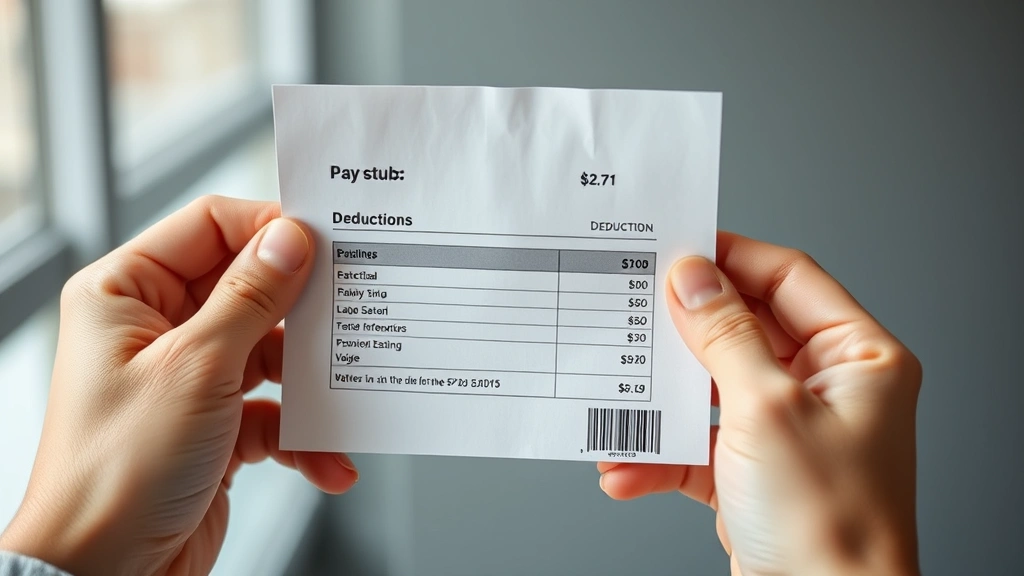
California’s SDI program, for example, is administered by the state’s Employment Development Department (EDD). When you file a claim, they verify your eligibility, determine your benefit amount based on your recent earnings, and start sending you weekly payments if you qualify. The whole process typically takes 1-2 weeks.
Current SDI Rates & Wage Limits
SDI rates vary by state and change annually. Here’s what you’re looking at for 2024:
- California: 1.2% of wages, up to a maximum taxable wage of $153,164 (meaning you stop paying SDI once you hit that income threshold)
- Hawaii: 0.5% of wages, capped at $63,000 in annual wages
- New Jersey: 0.14% of wages, with a maximum wage base of $35,100
- New York: 0.5% of wages, up to $65,000 in annual wages
- Rhode Island: 1.3% of wages, capped at $66,540 in annual wages
Notice the variation? California has the highest rate, which is why if you’re working there, you’re probably noticing a bigger SDI deduction than friends in other states. These rates are set by the state legislatures and adjusted based on the health of the disability insurance fund.
SDI vs. Social Security Disability
This is where people get confused. SDI and Social Security Disability Insurance (SSDI) are completely different programs. Don’t mix them up—they have different rules, different benefit amounts, and different approval processes.
SDI is temporary (usually up to 26 weeks), state-specific, and covers non-work-related disabilities. You can qualify quickly and start receiving benefits in weeks. It’s designed for short-term situations like recovering from surgery or pregnancy.

SSDI is federal, long-term, and requires you to prove you’re unable to work for at least 12 months or have a terminal condition. The approval process takes months, sometimes years. SSDI is the safety net for permanent or long-lasting disabilities.
You could theoretically receive both, but they serve different purposes. SDI is your immediate cushion; SSDI is your long-term protection. Learn more about optimizing your overall paycheck strategy with 10 paycheck manager secrets to boost your take-home pay.
Who Pays SDI Tax?
If you’re an employee in California, Hawaii, New Jersey, New York, or Rhode Island, you’re paying SDI. Period. It’s mandatory for most private-sector workers. Some exceptions exist:
- Federal government employees (they have their own disability programs)
- Railroad workers (covered under Railroad Retirement Act)
- Self-employed individuals in most states (though some states now offer voluntary SDI for the self-employed)
- Independent contractors (generally not covered)
- Some religious organizations with specific exemptions
The key thing: Employees pay SDI, not employers (in most states). Your boss doesn’t contribute—it’s purely a worker-funded program. This is different from workers’ compensation, where employers typically pay the premiums.
What SDI Benefits Cover
SDI covers you when you’re unable to work due to:

- Illness or injury (non-work-related)—surgery recovery, broken bones, cancer treatment, etc.
- Pregnancy and childbirth—both before and after delivery
- Mental health conditions—depression, anxiety, PTSD, and other conditions that prevent work
- Organ donation—time off to donate a kidney, liver lobe, bone marrow, etc.
- Bonding with a newborn or newly adopted child—in states with paid family leave programs
Importantly, SDI does not cover work-related injuries (that’s workers’ compensation), job loss (that’s unemployment insurance), or voluntary time off. You have to be medically unable to work, and a healthcare provider typically needs to certify that.
If you’re in California, you might also qualify for Paid Family Leave (PFL), which is funded through SDI payroll deductions. This lets you take time off to bond with a new child or care for a family member, while still receiving partial wage replacement. Check out California paycheck tax secrets to keep more of your hard-earned cash for state-specific strategies.
How to Claim SDI Benefits
When you need to use your SDI, here’s the process:
- Get medical documentation—Your doctor needs to complete a form certifying you’re unable to work. This is crucial; without it, you won’t be approved.
- File a claim with your state—Contact your state’s disability office (California’s EDD, New York’s Department of Labor, etc.). Most states let you file online.
- Provide wage information—The state will verify your recent earnings to calculate your benefit amount. Have your recent paystubs ready.
- Wait for approval—This typically takes 1-2 weeks, though it can be longer if they need additional information.
- Receive weekly payments—Once approved, you’ll get weekly benefit payments (usually via direct deposit) for the duration of your approved claim.
Pro tip: File as soon as you know you’ll be unable to work. Don’t wait until you’re desperate—the sooner you file, the sooner benefits start. Most states have a waiting period (usually 7 days) before benefits begin, so timing matters.
Can You Reduce SDI Deductions?
Short answer: Not really. SDI is mandatory in the five covered states. You can’t opt out, you can’t reduce it, and you can’t redirect it to a different program. It’s a legal requirement, like federal income tax withholding.

However, you can strategically manage your overall paycheck deductions. For example, if you’re maxing out your SDI contributions (because you’ve hit the wage cap), you might redirect that “extra” income toward higher 401(k) contributions or HSA funding. You could also explore post-tax deductions to optimize your take-home pay structure.
If you’re self-employed in California, you do have the option to enroll in Voluntary SDI (VSDI), which gives you coverage similar to employees. It’s optional, but it’s worth considering if you’re running a solo operation and want that safety net.
The real strategy isn’t reducing SDI—it’s understanding it’s already protecting you, so you don’t need to panic about temporary income loss. That’s actually worth something.
Frequently Asked Questions
Is SDI tax deductible on my federal income tax return?
No. SDI is a state-specific deduction that doesn’t reduce your federal taxable income. However, some states allow SDI as a state tax deduction. California, for example, lets you deduct SDI contributions on your state return. Check your state’s tax rules or consult a tax professional.
What happens to my SDI if I change jobs?
Your SDI coverage continues as long as you’re employed in a covered state. If you move to a non-SDI state (like Texas or Florida), you lose coverage. If you move between SDI states, your new employer will start deducting SDI, and your coverage transfers. There’s no break in protection.

Can I receive SDI while working part-time?
Yes. SDI is based on your inability to work, not your employment status. If you’re completely unable to work due to a medical condition, you can receive SDI. Some states allow “partial disability” benefits if you’re working reduced hours, but you’d receive a reduced benefit amount.
How long do SDI benefits last?
Typically up to 26 weeks (about 6 months) for temporary disability. Some states have extended benefits in certain situations. Paid family leave benefits are usually shorter (4-6 weeks). This is not a permanent benefit—it’s designed to bridge you through a temporary situation.
What’s the maximum SDI benefit amount?
It varies by state, but generally, you’ll receive 50-70% of your usual wages, up to a state-determined maximum. In California for 2024, the maximum weekly benefit is around $1,540. Check your state’s disability office website for current maximums.
Do I need to report SDI benefits as income?
No. SDI benefits are not taxable income on your federal return. Some states may tax SDI benefits, but most don’t. Verify with your state tax authority, but generally, what you receive is what you keep.
What if my SDI claim is denied?
You have the right to appeal. The appeals process varies by state, but typically you’ll have 30 days to request a hearing. Bring medical documentation and any other evidence supporting your claim. If you’re struggling with the process, consider consulting with a disability advocate or attorney who specializes in SDI appeals.


