

If you own property in Cook County, Illinois, understanding when Cook County property taxes are due is crucial to avoiding penalties and staying on top of your financial obligations. Property taxes in Cook County follow a specific schedule that differs from many other states, and missing a deadline can cost you significantly in interest and late fees. Let’s break down exactly what you need to know.
Table of Contents
Cook County Tax Payment Deadlines
Cook County property tax bills are typically issued twice per year, and the payment deadlines are strictly enforced. The first installment is due on March 31st, and the second installment is due on September 15th. These aren’t suggestions—they’re hard deadlines. If you pay after these dates, you’ll face interest charges and potential penalties that compound quickly.
Many property owners set calendar reminders months in advance because missing even one deadline can trigger a cascade of financial consequences. The Cook County Assessor’s Office and Treasurer’s Office take these deadlines seriously, and the penalties are designed to encourage on-time payment.
If you have a mortgage on your Cook County property, your lender may handle tax payments through an escrow account. However, you’re still ultimately responsible for ensuring those payments are made on time. Don’t assume your bank is handling everything—verify it directly.
How Cook County Property Taxes Work
Cook County uses a unique assessment and collection system that can be confusing if you’re new to the area. Your property is assessed by the Cook County Assessor, and that assessment determines your tax liability. The assessed value isn’t necessarily the market value of your home—it’s typically much lower, which is why Cook County property taxes are often considered reasonable compared to other Illinois counties.
The tax rate is set by local taxing bodies (schools, municipalities, park districts, etc.), and your total bill is the sum of all these rates applied to your assessed value. This means your property tax bill can vary year to year if either the assessed value or tax rates change.
Understanding this structure matters because it helps you see where your money goes. A significant portion typically funds schools, which is why education quality often correlates with property tax levels in different Cook County neighborhoods.
Payment Methods and Options
The Cook County Treasurer’s Office offers several convenient payment methods to ensure you can meet those deadlines. You can pay online through their official website, by mail, in person at their office, or through automated phone payments. Each method has its advantages, and choosing the right one depends on your comfort level with technology and how much advance notice you want.

Online payments are processed quickly and provide immediate confirmation, which is valuable if you’re paying close to the deadline. Mail payments should be sent well in advance—at least two weeks before the due date—to account for postal delays. The Cook County Treasurer’s Office won’t accept late postmarks, so “close enough” doesn’t cut it here.
Many property owners set up automatic payments through their bank’s bill-pay system. This removes the human error element entirely and ensures consistent, on-time payments. If you choose this route, verify the payment reaches the Treasurer’s Office by checking your account or calling to confirm receipt.
You can also pay property taxes through third-party payment processors, but be aware that some charge convenience fees. These fees come out of your pocket, so factor them into your decision about which payment method to use.
Late Payments and Penalties
Here’s where things get expensive: if you miss a Cook County property tax deadline, you’ll pay interest starting immediately. The interest rate is typically 1.5% per month (18% annually), which adds up quickly on a bill that might be several thousand dollars.
Beyond interest, you may face additional penalties if your payment remains delinquent. After a certain period, the county can place a lien on your property, and eventually, your property could be sold at a tax sale to recover the unpaid taxes. This is serious stuff—it’s not just about owing money; it’s about risking ownership of your home.
The penalty structure is designed to be punitive because the county relies on property tax revenue to fund essential services. Missing payments affects schools, fire departments, police, and other critical infrastructure. That’s why the consequences are so severe.
If you’re facing financial hardship and can’t pay on time, contact the Cook County Treasurer’s Office immediately. They sometimes offer payment plans or deferrals for qualifying situations. It’s always better to communicate proactively than to ignore the bill and hope the problem goes away.
Understanding Your Tax Bill
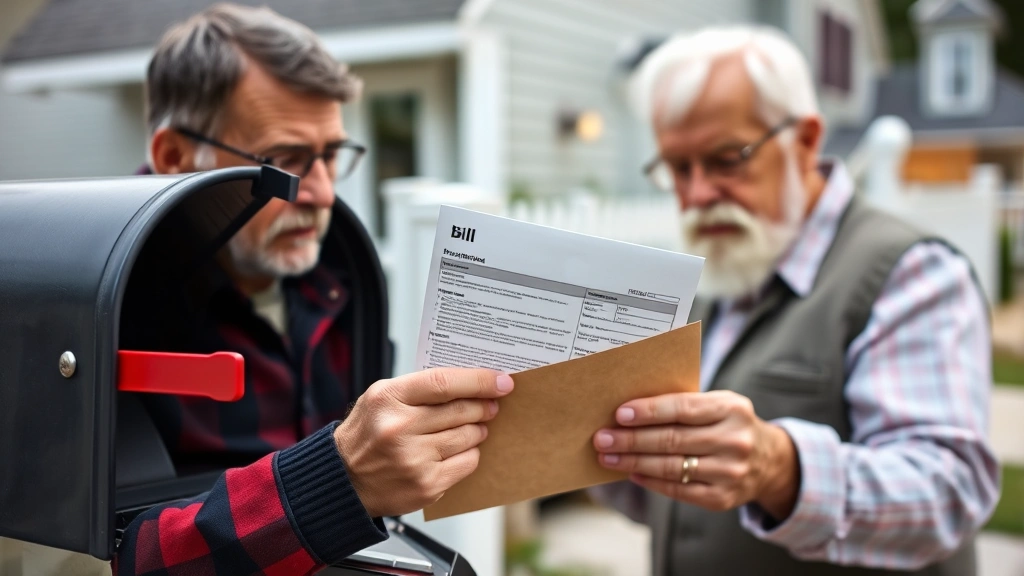
When your Cook County property tax bill arrives, it can look intimidating with multiple line items and unfamiliar terminology. Breaking it down helps you understand where your money goes and whether you should challenge any portion of it.
Your bill shows your assessed value, the tax rates applied by different taxing bodies, and the total amount due. Some bills also show your homeowner’s exemption (if applicable) and any special assessments for local improvements like street repairs or sewer work.
Special assessments are separate from regular property taxes and are charged to properties that benefit from specific improvements. These can be substantial, so understanding whether your property is subject to any special assessments is important for budgeting.
If your bill seems unusually high or you notice errors in the assessed value or property description, don’t just pay it. These issues can often be corrected, and catching them early is much easier than trying to get refunds later.
Exemptions and Tax Relief Programs
Cook County offers several tax exemptions and relief programs that can significantly reduce your property tax burden. The most common is the homeowner’s exemption, which reduces your assessed value and therefore your tax liability. If you own and occupy your home as your primary residence, you likely qualify for this exemption.
Senior citizens may qualify for additional exemptions or deferrals. If you’re 65 or older and meet income requirements, you might be able to defer property tax payments or receive an additional exemption. These programs exist because property taxes can become a significant burden for retirees on fixed incomes.
Veterans may also qualify for exemptions depending on their service and disability status. The Cook County Assessor’s Office maintains detailed information about all available exemptions, and it’s worth reviewing to see if you qualify for any.
If you haven’t claimed an exemption you’re entitled to, you can often file a late claim, though this varies by circumstance. Contact the Cook County Assessor’s Office to understand your options. These exemptions can save you hundreds or even thousands of dollars annually.
Appealing Your Assessment
If you believe your property has been assessed too high, you have the right to appeal. The Cook County Assessor’s Office conducts assessments based on market data, but mistakes happen, and circumstances change. If your home has decreased in value or you’ve discovered an error in the assessment, filing an appeal is your recourse.
The appeal process typically involves submitting evidence supporting your claim that the assessed value is too high. This might include recent appraisals, comparable sales data, or documentation of property defects that reduce value. The appeal deadline is usually in the spring, so you’ll need to act quickly after receiving your bill.
Many property owners hire real estate tax attorneys or assessment consultants to handle appeals, especially for higher-value properties where the potential savings justify the cost. These professionals understand the local market and the appeal process, significantly increasing your chances of success.
Even if you don’t hire professional help, filing an appeal is relatively straightforward and free. The worst that can happen is your appeal is denied, but the best case is a significant reduction in your assessed value that saves you money for years to come.
Planning Ahead for Tax Season
The best strategy for managing Cook County property taxes is to plan ahead. Once you know your annual tax bill, set aside money monthly so you’re not scrambling to pay the full amount when the deadline arrives. This approach also helps you budget more effectively for your overall housing costs.
Create a simple spreadsheet tracking both payment deadlines (March 31st and September 15th) and the amount due. Share this with anyone else responsible for the property, such as a spouse or business partner. Clear communication prevents the “I thought you paid it” conversations that lead to missed deadlines.

If you’re a new property owner in Cook County, request information about payment options and deadlines from your lender and the Cook County Treasurer’s Office. The more informed you are upfront, the fewer surprises you’ll face. Consider reviewing resources like the California property tax guide if you’re comparing tax systems across states, or check out information about Hennepin County tax records for similar county-level systems.
You might also want to explore how property taxes work in other areas. For example, understanding Denver County property tax systems or Adams County property tax structures can give you perspective on how Cook County compares.
Frequently Asked Questions
What happens if I miss the Cook County property tax deadline?
If you miss the deadline, you’ll immediately begin accruing interest at 1.5% per month. Additional penalties may apply, and if the debt remains unpaid long enough, the county can place a lien on your property or pursue a tax sale. Contact the Treasurer’s Office immediately if you’ve missed a deadline to discuss your options.
Can I pay Cook County property taxes online?
Yes, the Cook County Treasurer’s Office accepts online payments through their official website. This is one of the fastest and most convenient payment methods, and you’ll receive immediate confirmation of payment. Avoid third-party payment processors that charge convenience fees unless absolutely necessary.
How often are Cook County property taxes assessed?
Cook County reassesses properties regularly to ensure assessed values reflect current market conditions. However, you’ll receive tax bills twice per year with payment deadlines on March 31st and September 15th. The reassessment process itself happens on a different schedule.
Is there a homeowner’s exemption in Cook County?
Yes, Cook County offers a homeowner’s exemption for properties that are owner-occupied as primary residences. This exemption reduces your assessed value, lowering your tax liability. If you own and live in your home, you should file for this exemption if you haven’t already.
Can I appeal my Cook County property tax assessment?
Absolutely. If you believe your property has been assessed too high, you can file an appeal during the designated appeal period (typically spring). You’ll need to provide evidence supporting your claim, such as appraisals or comparable sales data. Many property owners hire professionals to help with this process.

What if my mortgage company handles my property taxes?
If your lender pays property taxes through an escrow account, you’re still ultimately responsible for ensuring those payments are made on time. Verify with your lender that they’re handling payments correctly and on schedule. Don’t assume—confirm directly.
Are there payment plans available if I can’t pay the full amount?
The Cook County Treasurer’s Office may offer payment plans or deferrals for qualifying situations, particularly for seniors or those facing financial hardship. Contact them directly to discuss your circumstances. It’s always better to communicate proactively than to ignore the bill.
Final Thoughts on Cook County Property Taxes
Managing Cook County property taxes doesn’t have to be stressful once you understand the system. The key is knowing your deadlines—March 31st and September 15th—and building a payment strategy that works for your situation. Whether you pay online, through your bank’s bill-pay system, or by mail, the important thing is getting the payment in before the deadline.
Take advantage of available exemptions, monitor your assessed value for errors, and don’t hesitate to appeal if you believe the assessment is unfair. These proactive steps can save you significant money over the years you own your property.
If you’re new to Cook County or property ownership, reach out to the Cook County Assessor’s Office or Treasurer’s Office with questions. These offices exist to help property owners navigate the system, and they’re generally responsive to inquiries. The small effort you invest in understanding your obligations now will pay dividends in peace of mind and financial savings later.


