

Knowing when are Virginia taxes due is crucial for staying compliant and avoiding penalties that can quickly add up. Whether you’re a Virginia resident filing state income taxes, a business owner managing payroll withholding, or a property owner facing annual assessments, understanding the tax calendar keeps you organized and stress-free. Let’s break down the key deadlines you need to mark on your calendar right now.
Table of Contents
Virginia Income Tax Deadline
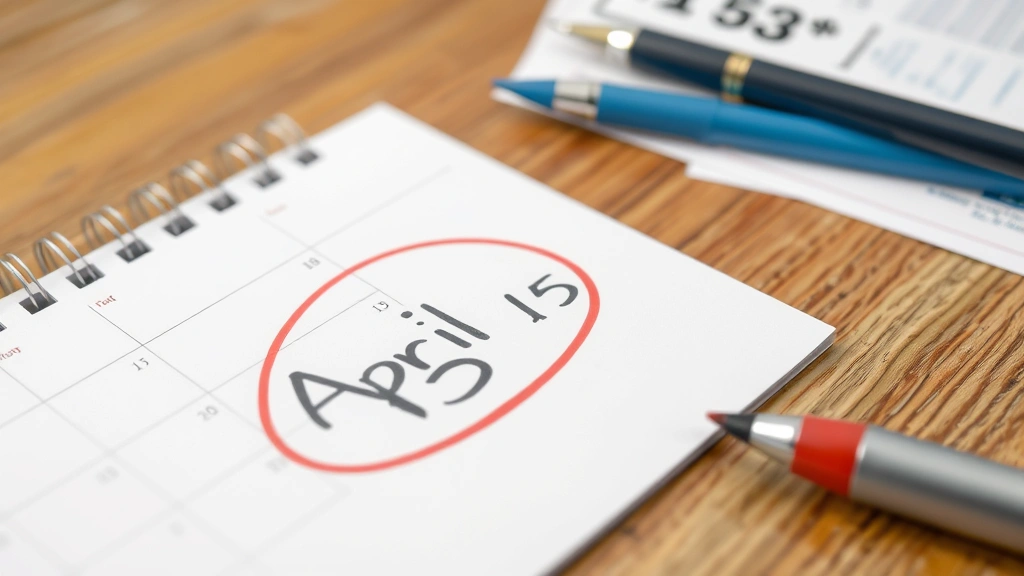
The Virginia state income tax filing deadline mirrors the federal deadline: April 15th, 2024. If April 15th falls on a weekend or holiday, the deadline shifts to the next business day. This applies to all individual Virginia residents who earned income during the tax year and must file Form 760 (Virginia Individual Income Tax Return).
You’ll need to file even if you don’t owe Virginia taxes, particularly if you’re claiming the Earned Income Tax Credit (EITC) or want to recover overpaid withholding. The Virginia Department of Taxation processes returns throughout the spring and summer, and you can check your Virginia income tax refund status online once you’ve filed.
Filing electronically speeds up both processing and refunds. Most Virginians receive refunds within 2-4 weeks of e-filing, compared to 6-8 weeks for paper returns. If you’re owed money, there’s real incentive to file early rather than waiting until the last minute.
Estimated Tax Payments Schedule
Virginia estimated tax payments follow the same quarterly schedule as federal taxes. These are crucial if you’re self-employed, have significant investment income, or don’t have enough tax withheld from your paychecks. Missing estimated payments can trigger penalties even if you ultimately owe nothing.
The four due dates are:
- Q1 (January 1 – March 31): Due April 15, 2024
- Q2 (April 1 – May 31): Due June 17, 2024
- Q3 (June 1 – August 31): Due September 16, 2024
- Q4 (September 1 – December 31): Due January 15, 2025
You’ll file Virginia Form 765 (Estimated Tax for Individuals) for each quarterly payment. The amount should cover approximately 25% of your expected annual tax liability. Underestimating can result in underpayment penalties, so many self-employed folks consult a CPA to calculate the right amount. If your income fluctuates seasonally, you can adjust payments quarterly rather than paying equal amounts.
Property Tax Deadlines by County
Here’s where things get tricky—Virginia property tax deadlines vary significantly by locality. Unlike income taxes, which have uniform state deadlines, each county and city sets its own property tax calendar. This means your neighbor in a different county might have a completely different due date.
Most Virginia counties follow these general patterns:
- First installment: Typically due in June or early July
- Second installment: Typically due in December
However, some counties allow full-year payment by a single date. For example, Fairfax VA property tax has specific payment windows, while Arlington property tax follows its own schedule. The best move? Check your county’s treasurer or assessor website immediately—don’t assume you know the deadline.
Property taxes in Virginia range from 0.56% to 1.15% of assessed home value, depending on location. Late payments trigger interest charges (typically 10% annually) plus potential penalty fees. Many counties offer small discounts for early payment, so paying ahead of the deadline can actually save you money.
Sales Tax Filing Requirements
If you operate a business in Virginia, you’re likely responsible for collecting and remitting sales tax. Virginia’s standard sales tax rate is 5.75%, though Virginia state sales tax rate varies with local taxes added by most jurisdictions, bringing the total to 5.75%–7.875% depending on where you operate.
Sales tax returns are typically filed:
- Monthly: For most retailers and service providers (due 20th of following month)
- Quarterly: For businesses with lower sales volumes (due 20th of month following quarter end)
- Annually: For very small businesses (due January 20th)
You’ll use Form ST-9 (Virginia Sales and Use Tax Return) to report collections. The Virginia Department of Taxation determines your filing frequency based on your sales volume. If you’re unsure, log into your online account or call the department at 804-786-2992.
Business Tax Deadlines
Virginia businesses face multiple tax deadlines beyond sales tax. Here’s the rundown:

Corporate Income Tax: C-corporations file Form 500 by March 15th (or the 15th day of the third month after year-end for fiscal-year filers). The deadline is the same whether you owe taxes or not.
Partnership Returns: Partnerships file Form 500-P by March 15th, though they don’t pay income tax directly—profits flow through to partners’ individual returns.
S-Corporation Elections: If you’re electing S-corp status for federal purposes, you must also make the Virginia election by the federal deadline (usually March 15th).
Business License Renewals: Renewal deadlines vary by locality and business type. Many cities require annual renewals by June 30th, while others align with calendar years. Check with your city or county clerk’s office.
Payroll Withholding Deadlines
If you’re an employer, Virginia payroll withholding deadlines are critical. You must remit withheld income taxes and unemployment insurance contributions on a schedule determined by your liability amount:
- High-liability employers: Deposits due semi-weekly (typically within 3 business days of payroll)
- Moderate-liability employers: Deposits due monthly (by the 20th of the following month)
- Low-liability employers: Deposits due quarterly
You’ll file Form VA-8 (Employer’s Withholding Tax Return) quarterly by April 30th, July 31st, October 31st, and January 31st. Missing payroll deposits triggers serious penalties—we’re talking 5-10% of the unpaid amount, plus interest compounding daily. If you have questions about how much does overtime get taxed and how it affects your withholding obligations, consult your payroll provider or a tax professional immediately.
Penalties and Interest Charges
Virginia doesn’t mess around with late payments. Here’s what you’re facing if you miss deadlines:

Late Filing Penalty: 5% per month (up to 25%) of unpaid taxes, plus interest at 10% annually. File even if you can’t pay—the penalty for not filing is steeper than the penalty for late payment.
Late Payment Penalty: 10% of the unpaid tax amount, plus interest accruing daily. Interest compounds, so the longer you wait, the worse it gets.
Underpayment Penalty: If you didn’t pay enough estimated tax during the year, you’ll owe a penalty even if you ultimately pay all taxes owed. This is calculated using a formula based on the federal rate, typically 8-10% annually.
Worthless Check Penalty: If you submit a check that bounces, Virginia charges $25 plus the amount of the check. Electronic payments avoid this risk entirely.
The silver lining? If you’re owed a refund, Virginia doesn’t penalize you for filing late—you just miss out on interest the state would owe you.
Filing Extensions Available
Life happens. If you can’t file by April 15th, you have options:
Federal Extension (Form 4868): Filing a federal extension automatically extends your Virginia deadline to October 15th. You must request the extension by April 15th, even if you’re filing late. This gives you six extra months, but remember: it’s an extension to file, not an extension to pay. You still owe any taxes due by April 15th, or you’ll face interest charges.

Automatic Extension: You don’t need approval—just file Form 4868 before the deadline. The IRS grants it automatically for most taxpayers.
Hardship Extension: In rare cases where you face genuine hardship, Virginia may grant additional time. Contact the Department of Taxation to request consideration.
Pro tip: If you’re getting a refund, there’s no penalty for filing late. But if you owe, pay something by April 15th even if you file late—it minimizes interest charges.
Frequently Asked Questions
What if I miss the Virginia tax deadline?
Contact the Virginia Department of Taxation immediately. File your return as soon as possible and pay any taxes owed, plus applicable penalties and interest. The longer you wait, the more interest accrues. If you have a legitimate reason for missing the deadline (medical emergency, military deployment, etc.), explain it when you file—the department may consider abating penalties.
Can I file Virginia taxes electronically?
Yes, and you should. E-filing is free for most taxpayers through IRS Free File partners, and Virginia accepts electronic returns through the same systems. Electronic filing reduces errors, speeds up refunds, and provides confirmation of receipt. You’ll receive your refund 2-4 weeks faster than paper filing.
Do I need to file Virginia taxes if I moved out of state?
Only if you lived in Virginia for part of the tax year and earned income there. You’ll file a part-year resident return (Form 760-PY) reporting only Virginia-source income. Your new state may also require a return. This gets complicated, so consider consulting a CPA if you moved mid-year.
What’s Virginia’s income tax rate?
Virginia has a progressive tax system with rates ranging from 2% to 5.75% depending on your income bracket. The state also allows credits for federal taxes paid and other circumstances. Your effective rate will be lower than the marginal rate.

Are there Virginia tax credits I’m missing?
Possibly. Virginia offers credits for education expenses, charitable donations, property taxes paid, and more. The most common is the Earned Income Tax Credit (EITC), which can be worth thousands. Review the Virginia Department of Taxation website or work with a tax professional to identify credits you qualify for.
How do I check my refund status?
Visit the Virginia Department of Taxation website and use their refund tracker tool. You’ll need your Social Security number and filing status. If you filed electronically, you can check status within 24 hours. Paper returns take longer to process.
What if my employer didn’t withhold enough taxes?
Adjust your W-4 form immediately. You can submit a new W-4 to your HR department anytime—you don’t need to wait for the new year. Increasing your withholding reduces the amount you’ll owe when you file. Alternatively, make estimated tax payments quarterly to cover the shortfall.
Bottom Line
Staying on top of Virginia tax deadlines protects your finances and your peace of mind. Mark your calendar with the key dates: April 15th for income taxes, quarterly dates for estimated payments, and your specific county’s property tax deadlines. Set phone reminders two weeks before each deadline—most people miss dates because they simply forget, not because they don’t have the money.
If you’re overwhelmed by multiple deadlines or unsure about your filing obligations, a Virginia CPA or tax professional can handle the details and ensure you’re not leaving money on the table. The cost of professional help often pays for itself through credits and deductions you might otherwise miss. Don’t let tax anxiety control your finances—get organized, know your deadlines, and file with confidence.


