

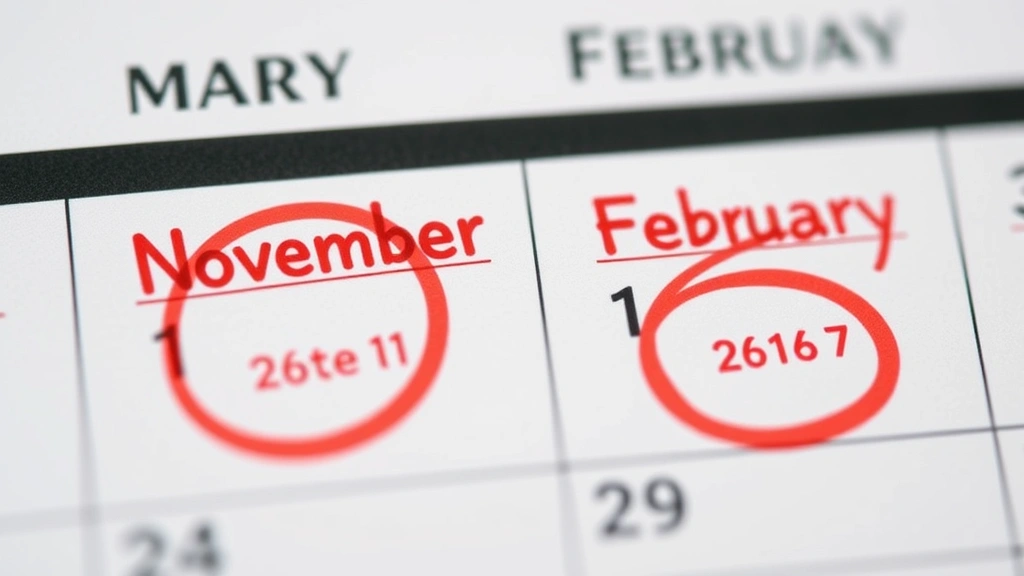
When is CA property tax due? In California, property taxes are typically due in two installments: the first half is due November 1st and becomes delinquent on December 10th, while the second half is due February 1st and becomes delinquent on April 10th. Understanding these deadlines is crucial for California homeowners to avoid penalties, interest charges, and potential foreclosure proceedings.
Table of Contents
California Property Tax Payment Deadlines
Let’s get straight to it: California property taxes operate on a fiscal year that runs from July 1st through June 30th. Your tax bill arrives around October or November, but the actual payment schedule follows a different calendar. The first installment of your property tax bill becomes due on November 1st each year, and you’ve got until December 10th to pay it without facing delinquency charges. Miss that December 10th deadline, and you’re officially late.
The second installment follows about three months later. It’s due February 1st, with a grace period extending through April 10th. If you’re thinking about paying the whole year’s property tax at once, you’re allowed to do that—just know that both installments must be paid by April 10th to avoid any penalties. This Orange County CA tax rate structure applies statewide, though individual county assessors may have slight administrative differences in how they process payments.
Understanding Delinquency & Penalties
Here’s where things get expensive if you’re not careful. California doesn’t mess around with late property taxes. Once you miss the December 10th deadline for the first installment, you’re hit with a 10% penalty on that amount. That’s not a small fee—it’s a full 10% of what you owe. If you then miss the April 10th deadline for the second installment, you’re looking at another 10% penalty on that portion.
But penalties are just the beginning. Interest accrues monthly at a rate of 1.5% per month (18% annually) on any unpaid taxes. So if you owe $2,000 and you’re six months late, you’re not just paying $200 in penalties—you’re also paying roughly $180 in interest charges. Over time, these charges compound, and what started as a manageable bill becomes a serious financial problem.
The state takes property tax delinquency seriously because these revenues fund schools, infrastructure, and essential services. After five years of non-payment, your property can be sold at a tax sale to recover the outstanding debt. This isn’t a threat—it’s a legal process that happens regularly in California counties.
How to Pay Your Property Taxes
California gives you several convenient options for paying your property taxes, which is good news for staying on schedule. The most straightforward method is paying directly through your county assessor’s office. Each county maintains its own tax collection system, so you’ll need to contact your specific county. Most counties now accept online payments through their websites, which is typically the fastest and most reliable method.
You can also pay by mail by sending a check to your county tax collector’s office. Just remember to mail it early enough that it arrives before the deadline—the postmark date doesn’t count; the received date does. Some people use their mortgage lender’s escrow account, where the lender collects property taxes along with your mortgage payment and pays them on your behalf. This is actually a smart move if you’re worried about missing deadlines, since your lender has a vested interest in keeping your taxes current.
Credit card payments are available through some county systems, though you’ll typically pay a processing fee (usually 2-3% of the amount). Automatic bank drafts are another option—you authorize your bank to automatically deduct the payment on the due date. This removes the human error element entirely.
First-Time Homebuyers Guide
If you just bought your first California home, congratulations—and welcome to property tax season. Here’s what you need to know: you won’t receive a property tax bill immediately after purchase. The county assessor needs time to process your deed and update the property records. Typically, you’ll get your first bill in October or November of the year following your purchase.
This gap can catch new homeowners off guard. You might think you’re in the clear, then suddenly a bill arrives for several thousand dollars. That’s why it’s smart to ask your real estate agent or title company what your estimated property taxes will be before you close. You can also contact your county assessor’s office directly—they can give you a rough estimate based on the purchase price and property details.

Many first-time buyers also discover they’re eligible for property tax exemptions or relief programs. California offers several programs for seniors, disabled property owners, and low-income households. If you fall into any of these categories, you might qualify for significant reductions. The estate tax California landscape also affects some inherited properties, so if you received the home through inheritance, different rules may apply.
What Happens With Late Payments
Let’s talk about the real consequences of missing California property tax deadlines, because understanding the domino effect might motivate you to prioritize this payment. As mentioned, you’re hit with a 10% penalty and 1.5% monthly interest immediately. But that’s just the financial hit—there are also legal consequences.
If your taxes remain unpaid for three years, the county begins the process of selling your property at a tax sale. This isn’t a foreclosure where you get to work with a lender—it’s a public auction where your property is sold to the highest bidder to satisfy the tax debt. You do have a right of redemption (typically five years) to reclaim the property by paying the full debt plus costs, but that window closes eventually.
Beyond the tax sale threat, unpaid property taxes appear on your credit report and severely damage your credit score. This affects your ability to get loans, refinance your mortgage, or even rent an apartment. Employers sometimes check credit reports too, so in some cases, it could impact employment opportunities. The cascade of problems from missing a property tax deadline extends far beyond just the taxes themselves.
Property Tax Exemptions & Relief
California recognizes that not everyone can afford full property taxes, so the state offers several exemption programs. The Homeowners’ Property Tax Exemption reduces the assessed value by $7,000 for owner-occupied homes, which translates to roughly $70-90 in annual tax savings depending on your county’s tax rate. It’s not huge, but it’s free money if you qualify.

Senior citizens (65 and older) can apply for the Senior Exemption, which provides more substantial relief. Disabled property owners also qualify for exemptions. Additionally, if you’re a veteran, you might qualify for the Disabled Veterans’ Exemption, which can provide significant tax relief depending on your disability rating.
California also has a property tax postponement program for seniors and disabled homeowners with low incomes. This program allows you to postpone paying property taxes until you sell the home or pass away. You still owe the taxes eventually, but it provides immediate cash flow relief for those on fixed incomes.
Agricultural properties, churches, and nonprofits typically receive exemptions as well. If your property falls into any of these categories, contact your county assessor about filing for the appropriate exemption. Many people leave money on the table simply because they don’t realize they’re eligible.
County-Specific Variations
While the statewide deadlines are consistent, individual California counties have some administrative variations worth noting. For example, some counties offer online payment systems that are more user-friendly than others. A few counties still require in-person payments or phone payments for certain situations. Your county assessor’s office website should have specific payment instructions and contact information.
Some counties also offer payment plans for property owners who are struggling financially. If you can’t pay the full amount by the deadline, contact your county tax collector before the due date to inquire about installment arrangements. Many counties will work with you if you reach out proactively rather than simply ignoring the bill.

The tax rate itself varies by county based on local assessments and voter-approved bonds. Coastal counties like Marin and San Francisco typically have higher property tax burdens due to higher property values. Rural counties may have lower absolute dollar amounts but similar effective tax rates. Understanding your county’s specific rate helps you budget appropriately.
Planning Ahead for Tax Season
Smart property owners treat property taxes like any other major expense—they plan for it. If you know your property tax bill is roughly $4,000 per year, divide that by 12 months and set aside about $333 monthly. This way, when the bill arrives, you’re not scrambling to find the money. Some people open a dedicated savings account specifically for property taxes, which creates a psychological commitment to funding it.
If you’re self-employed or have variable income, this becomes even more critical. You can’t predict your income month to month, so you need a buffer. Build your property tax obligation into your quarterly tax planning. If you’re making estimated tax payments to the IRS, consider your property taxes as part of your overall tax burden.
Mark your calendar with both deadlines: November 1st and February 1st. Set phone reminders for mid-October and mid-January so you have time to organize payment before the deadlines hit. If you use online bill pay through your bank, you can schedule payments weeks in advance, ensuring they arrive on time even if you’re traveling or busy.
For those with mortgages, verify that your lender’s escrow analysis is accurate. Lenders sometimes underestimate property taxes, which means your monthly mortgage payment doesn’t fully cover them, and you’ll owe a lump sum when taxes come due. Request an escrow analysis annually to catch these discrepancies.

Frequently Asked Questions
Can I pay my California property taxes early?
Yes, absolutely. You can pay your property taxes anytime after the bill is issued, even if it’s months before the deadline. Paying early doesn’t provide any discount, but it does eliminate the risk of accidentally missing the deadline. Some people pay immediately upon receiving the bill to get it off their plate.
What if I disagree with my property tax assessment?
You have the right to appeal your property tax assessment through the Assessment Appeals Board in your county. You must file your appeal within 30 days of receiving your bill. If you believe your property was assessed too high, gather comparable sales data and submit evidence supporting your claim. Many counties allow you to file appeals online now.
Do I have to pay property taxes if I’m in a dispute with my lender?
Yes. Your property tax obligation is separate from any mortgage dispute. Even if you’re fighting with your lender over a loan issue, you still must pay property taxes on time. Failure to do so doesn’t strengthen your position in any dispute—it only creates additional legal problems for you.
Are property taxes deductible on my federal income tax?
California property taxes are deductible on your federal return if you itemize deductions, but there’s a catch: the SALT (State and Local Tax) deduction is capped at $10,000 per year. If your property taxes plus other state and local taxes exceed $10,000, you can only deduct $10,000 total. This is a significant limitation for California homeowners with high-value properties.
What happens if I inherit a California property?
Inherited properties generally don’t receive a reassessment unless the property is transferred to someone other than a spouse or direct descendant. However, you’re still responsible for paying property taxes once you take ownership. The county will update the records and send you a bill. Contact the county assessor’s office to ensure you’re on the mailing list for future bills.
Can I pay my property taxes with a credit card?
Many California counties allow credit card payments, but they charge a processing fee (typically 2-3%). If you’re trying to earn credit card rewards, the fee often eats into any benefit. However, if you’re in a tight cash situation and need the float, paying with a credit card and then paying off the card quickly might make sense.
Bottom Line: California property taxes are due November 1st (first installment) and February 1st (second installment), with delinquency deadlines on December 10th and April 10th respectively. Missing these deadlines triggers 10% penalties and 1.5% monthly interest, with the potential for property tax sales after five years of non-payment. Set reminders, understand your county’s payment options, and explore exemptions you might qualify for. Property taxes are one of those obligations you can’t ignore—they fund essential services and ignoring them creates a cascade of financial and legal problems. Stay ahead of the deadlines, and you’ll avoid costly penalties and stress.


