

Ad valorem taxes definition refers to taxes calculated as a percentage of the assessed value of property, rather than a fixed amount. If you own real estate, a vehicle, or other taxable assets, you’re likely paying ad valorem taxes—and understanding how they work can help you plan your finances better and potentially reduce your tax burden.
Table of Contents
What Are Ad Valorem Taxes?
The term “ad valorem” comes from Latin, meaning “according to value.” An ad valorem tax system charges you based on what your property is actually worth, not on a flat fee everyone pays. This is fundamentally different from excise taxes or per-unit fees. For example, if your home is worth $300,000 and your local tax rate is 1%, you’d owe $3,000 annually. If your neighbor’s home is worth $500,000 at the same rate, they’d owe $5,000. The tax scales with value—that’s the core concept.
Property owners often find ad valorem taxes intimidating because they’re tied directly to asset value, which fluctuates with market conditions. The good news? Once you understand the mechanics, you can take steps to manage your exposure and identify available exemptions or tax equity opportunities.
How Ad Valorem Taxes Work
Here’s the practical breakdown: Local governments assess the value of your property, establish a tax rate (often called a millage rate), and multiply the two together. Let’s walk through a real scenario:
Imagine you own a house assessed at $250,000. Your county’s millage rate is 15 mills per $1,000 of assessed value. That means you pay $15 in taxes for every $1,000 your property is worth. So: ($250,000 ÷ $1,000) × $15 = $3,750 in annual property tax.
The millage rate varies dramatically by location. Some counties charge as little as 5 mills per $1,000, while others exceed 25 mills. This is why a $300,000 home might cost you $2,000 annually in one state but $5,000 in another. Understanding your local rate is crucial for budgeting and evaluating whether a property purchase makes financial sense in your area.

Property Tax vs. Ad Valorem Tax
Many people use these terms interchangeably, but there’s a subtle distinction. Property tax is the broader category—it’s any tax on real property. Real estate taxes and property taxes are essentially the same thing. Ad valorem tax is the method by which most property taxes are calculated. However, some jurisdictions use other systems. For instance, a few states use split-rate taxation, where residential and commercial properties are taxed at different rates based on use, not just value.
The distinction matters when you’re researching tax policy. If a government says it’s “lowering property taxes,” it might mean reducing the millage rate (ad valorem rate) or changing exemptions. Both affect your bill, but they work differently.
Types of Taxable Property
Ad valorem taxes apply to multiple asset categories:
- Real property: Land, buildings, permanent structures, and improvements. This is the most common type.
- Personal property: Vehicles, boats, aircraft, and sometimes business equipment. Tax rates and rules vary by state.
- Tangible property: Physical items with measurable value, like inventory for businesses.
- Intangible property: Some states tax stocks, bonds, and intellectual property, though this is less common than it used to be.
Most homeowners deal with real property ad valorem taxes on their residences. If you own rental properties, commercial real estate, or vehicles, you’re likely paying ad valorem taxes on those too. Each category may have different assessment methods and tax rates.
Assessment and Valuation Process
The county assessor’s office is responsible for determining your property’s value. They don’t just guess—they use standardized methods:

- Market approach: Comparing your property to similar recent sales in your area.
- Cost approach: Calculating what it would cost to rebuild your property from scratch, minus depreciation.
- Income approach: For rental properties, evaluating the income the property generates.
Assessments typically happen every 1-4 years, depending on your state. When your home’s market value rises, your assessed value usually follows, which increases your tax bill. This is why homeowners in hot real estate markets sometimes face sticker shock when their assessments jump 20-30% in a year.
You have the right to appeal your assessment if you believe it’s inaccurate. Many property owners successfully reduce their taxes by filing appeals with evidence showing comparable properties sold for less or that their home has defects affecting value.
Calculating Your Tax Liability
The formula is straightforward: Assessed Value × Tax Rate = Annual Tax Liability
But here’s where it gets nuanced. Most states assess property at a percentage of market value, not 100%. For example:
- Your home’s market value: $400,000
- Your state’s assessment ratio: 60% (meaning assessed value is 60% of market value)
- Your assessed value: $240,000
- Your millage rate: 12 mills per $1,000
- Your annual tax: ($240,000 ÷ $1,000) × $12 = $2,880
If you don’t know your assessment ratio, check your county assessor’s website or property tax bill—it’s usually listed there. This information helps you understand how your bill is calculated and whether changes in market value will significantly impact your taxes.

Exemptions and Tax Relief Options
Not all property is taxed equally. Many jurisdictions offer exemptions that reduce your assessed value:
- Homestead exemptions: Reduce assessed value for primary residences. Some states exempt the first $50,000 of value.
- Senior exemptions: Additional relief for homeowners over 65.
- Disability exemptions: Tax breaks for disabled veterans or individuals with disabilities.
- Agricultural exemptions: Reduced rates for working farms and timberland.
- Religious/nonprofit exemptions: Churches, schools, and charitable organizations often pay no property tax.
You must apply for most exemptions—they don’t happen automatically. If you’ve never checked whether you qualify, contact your county assessor’s office. Even a $25,000 exemption can save you $200-400 annually, depending on your rate.
Understanding ad valorem tax definitions and exemptions is especially important if you’re a senior, veteran, or farmer. These groups often leave significant tax savings on the table simply because they didn’t know to apply.
State-by-State Variations
Ad valorem tax systems differ dramatically across the United States. Kendall County property tax rates, for instance, reflect Illinois’s overall tax structure, which differs significantly from states like Florida or Texas with lower property tax burdens. Summit County Ohio property tax rates reflect Ohio’s specific assessment methods and exemptions, while Hall County property tax in Georgia operates under Georgia’s framework.
Some key variations:
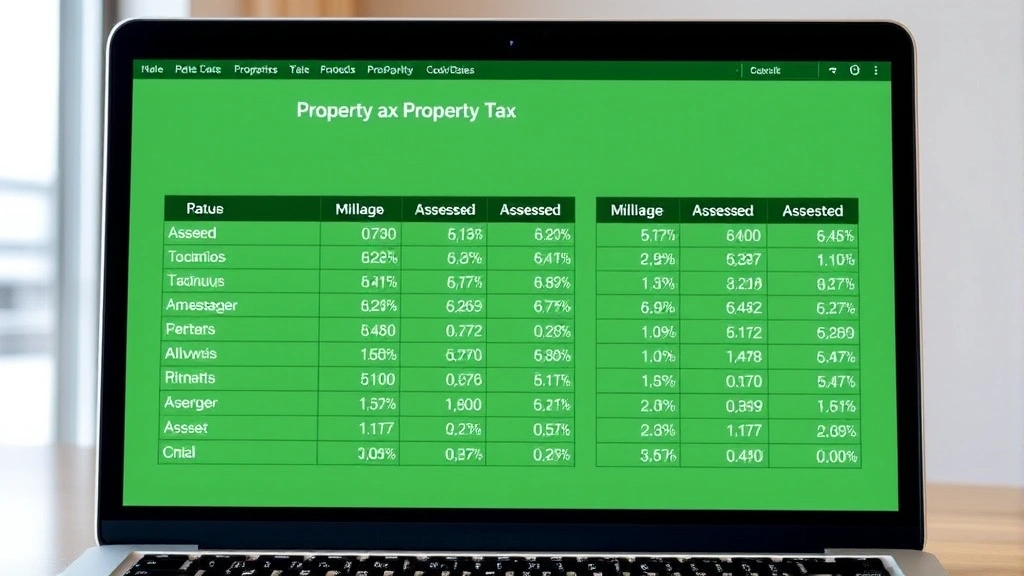
- Assessment frequency: Some states reassess annually; others every 3-5 years.
- Tax caps: A few states cap how much your tax can increase annually (e.g., California’s Proposition 13 limits increases to 2% per year).
- Homestead exemptions: Amounts vary from $25,000 to $100,000+ depending on the state.
- Tax rates: Range from under 0.5% in Hawaii to over 2% in New Jersey.
Before buying property or relocating, research your target state’s ad valorem tax system. A lower purchase price in one state might mean higher ongoing taxes than a pricier property elsewhere.
Frequently Asked Questions
What’s the difference between ad valorem and non-ad valorem taxes?
Ad valorem taxes are based on property value. Non-ad valorem taxes are fixed fees that don’t change with value—like a $500 annual license fee for a vehicle, regardless of whether it’s worth $10,000 or $100,000. Most property taxes are ad valorem, but some jurisdictions use hybrid systems combining both approaches.
Can I deduct ad valorem taxes on my federal income tax?
Yes, but with limits. The State and Local Tax (SALT) deduction caps your total state and local tax deductions at $10,000 annually (as of 2024, under current tax law). This includes property taxes, sales taxes, and income taxes combined. Most homeowners can deduct their full property tax bill if they’re below the cap, but high-tax-state residents often hit the limit.
What happens if I don’t pay my ad valorem taxes?
Your county can place a lien on your property, meaning you can’t sell or refinance without paying back taxes plus penalties and interest. Eventually, the county may foreclose and sell your property at a tax sale. It’s crucial to pay on time or arrange a payment plan if you’re struggling.
How do I appeal my property assessment?
Contact your county assessor’s office for appeal deadlines and procedures—they vary by location but typically occur once per year. You’ll need to submit evidence (comparable sales, professional appraisals, or photos of defects) showing your property is overvalued. Many appeals are successful, especially if you can prove recent sales of similar homes sold for less.

Are ad valorem taxes the same as property taxes?
Ad valorem is the method used to calculate most property taxes. All ad valorem taxes are property taxes, but not all property taxes are ad valorem—some jurisdictions use flat fees or other systems. In practice, people use the terms interchangeably.
Do renters pay ad valorem taxes?
Not directly. Landlords pay the ad valorem tax on rental properties, and they typically pass this cost to tenants through higher rent. So renters do bear the economic burden, even though they don’t write the check to the county.
Key Takeaways
Ad valorem taxes definition boils down to this: you pay based on what your property is worth, calculated as a percentage of its assessed value. For most property owners, this is the single largest recurring tax obligation beyond income tax.
Here’s what you need to do:
- Know your rate: Find your local millage rate and assessment ratio. Do the math to understand your annual bill.
- Review your assessment: Make sure your property’s assessed value is accurate. If it seems high, file an appeal with comparable sales data.
- Claim exemptions: If you’re a homeowner, senior, veteran, or farmer, apply for available exemptions. They can save hundreds annually.
- Budget accordingly: Property taxes aren’t optional and they increase over time. Factor them into your housing budget and retirement planning.
- Research before moving: Compare ad valorem tax rates across states and counties. A lower home price doesn’t always mean lower total cost of ownership.
Ad valorem taxes fund essential services—schools, roads, fire departments, and libraries. While nobody enjoys paying them, understanding how they work puts you in control of your finances rather than being blindsided by bills. If you have questions about your specific situation, contact your county assessor’s office or consult a tax professional who can review your property’s assessment and identify tax-saving opportunities.


